

Heritage

Some of the items in the map identified by numbers have additional information provided in the section below. Click on the title or + symbol to open the item.
1. Wycombe Heath Farm


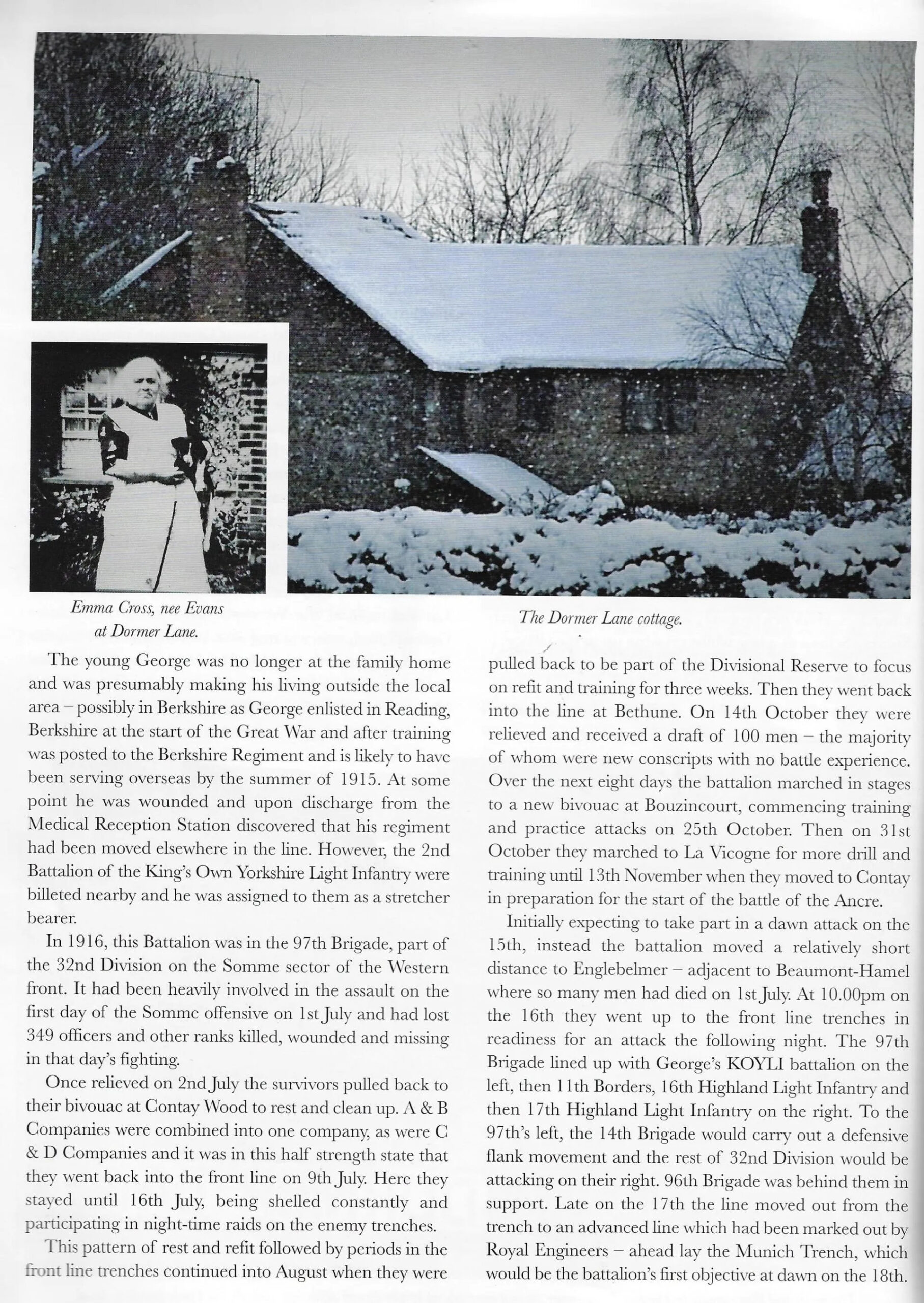
2. Dormer Cottage

3. Mill End Cottages
Demolished in the 1960’s

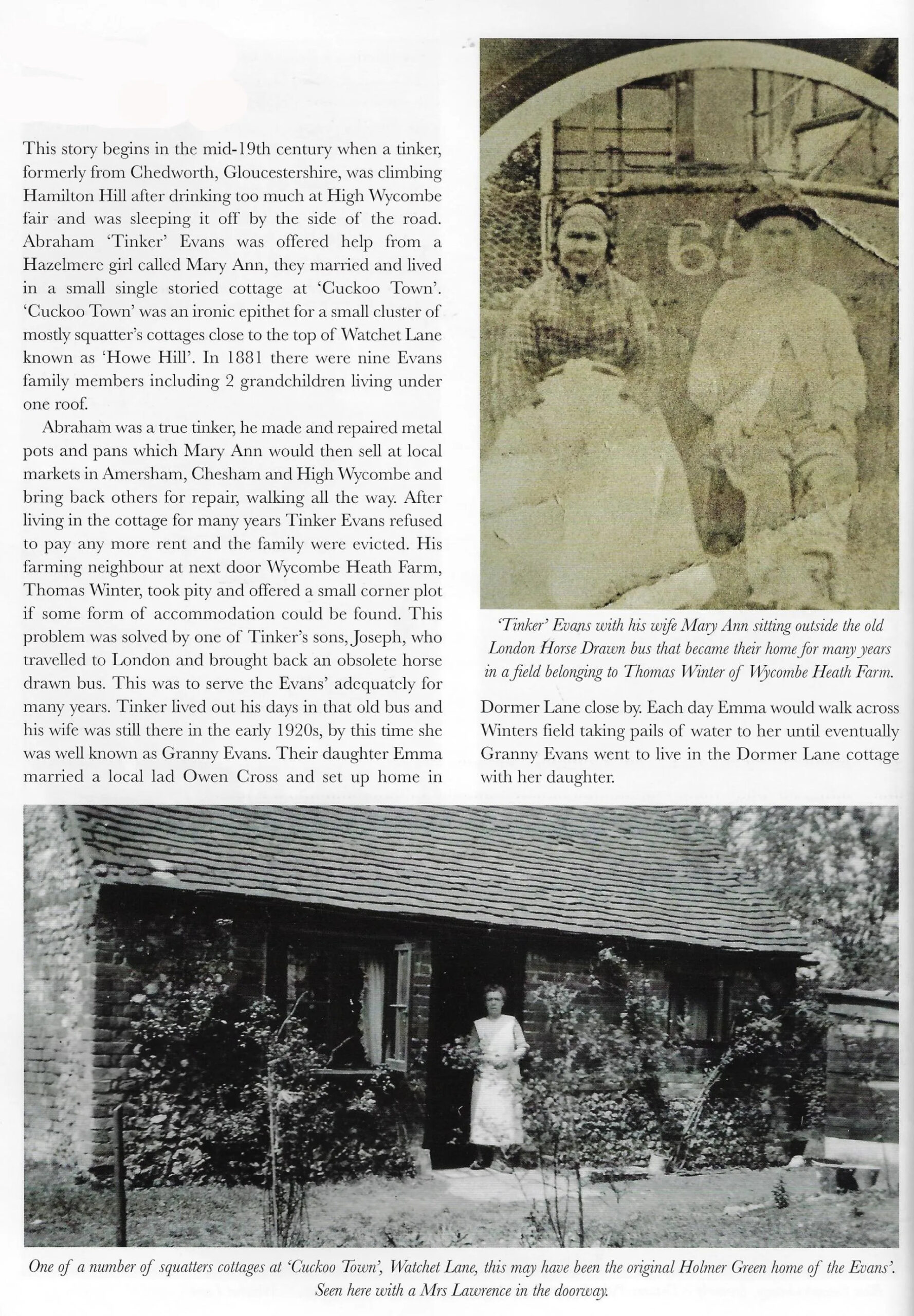
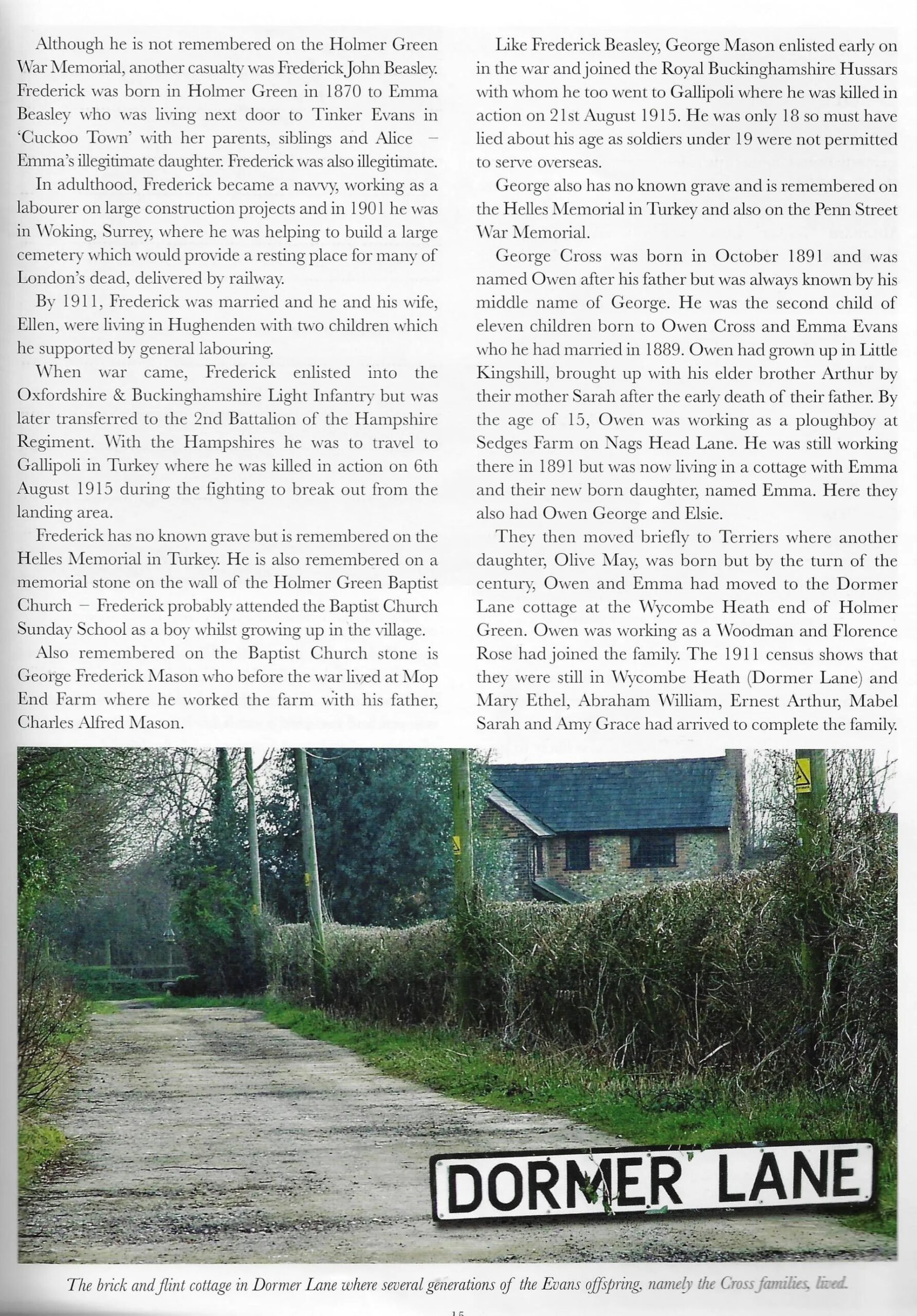
4. Tinker Evan's Cottage
Now Demolished

5. Langston's Cottage
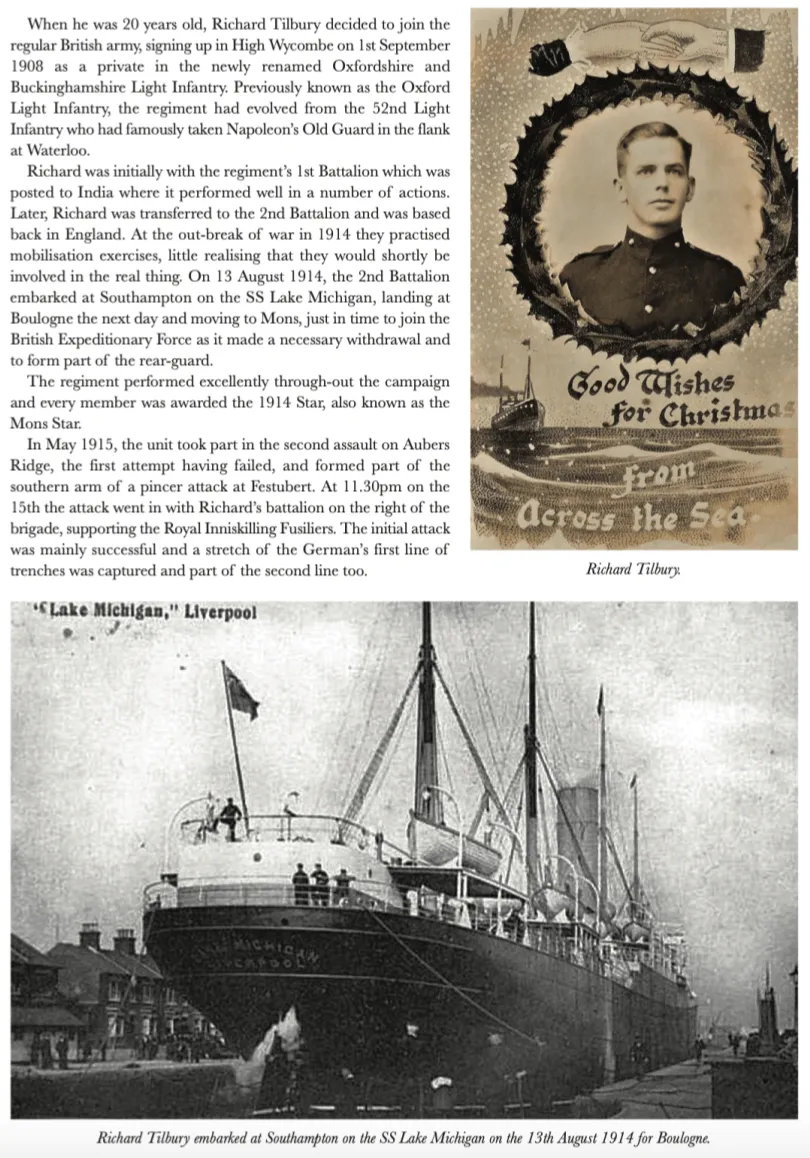
Langston’s Cottage, Richard Tilbury’s birthplace



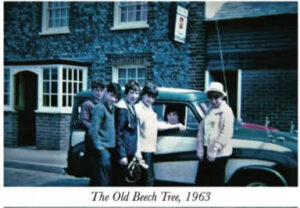
7. Beech Tree Pub
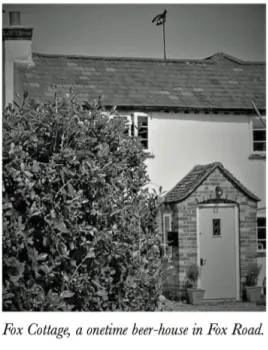
8. Fox Cottage
The Fox, cottage and one time beer house.
9. Old Windmill Cottage
11. The Village pound
Most villages contained a small secure field with a decent gate known as the ‘Pound’. It was here that the local ‘authorities’ (local constable, Parish council member) impounded stray animals until they were reclaimed. Holmer Green’s Pound was in Parish Piece.
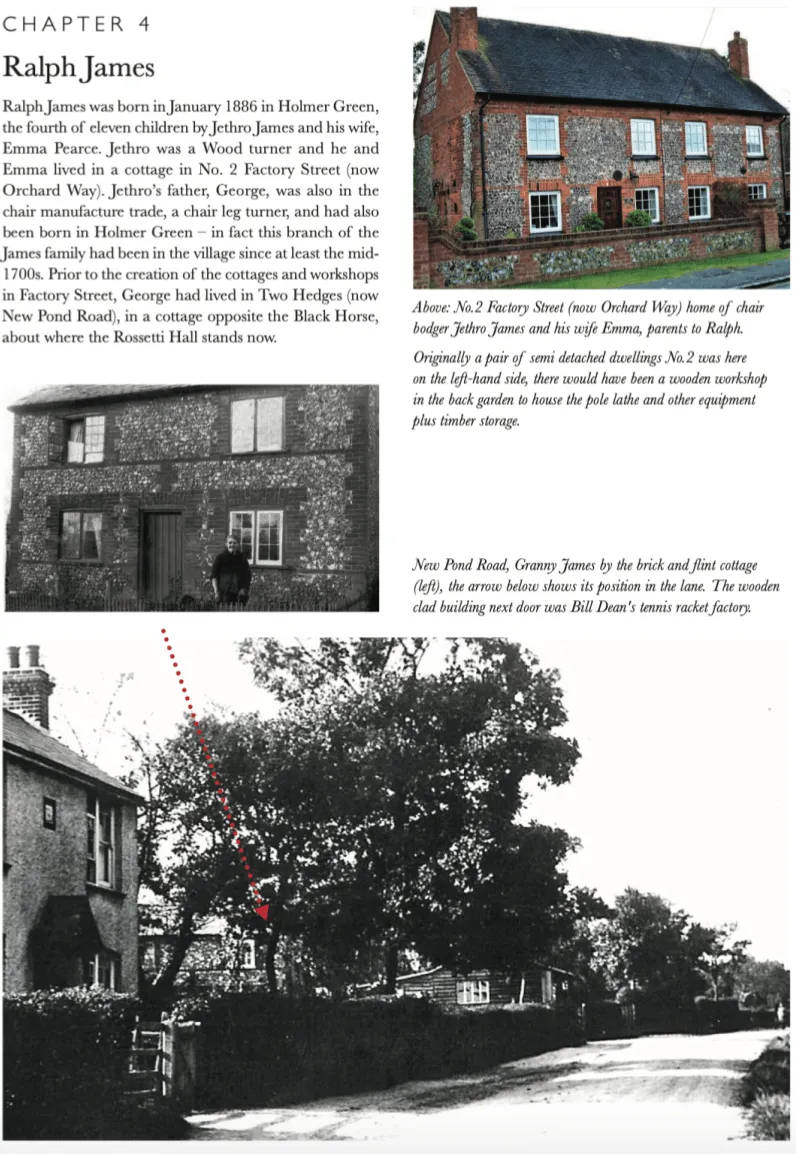
14. Factory Street
2 Factory Street, Ralph James’ family home.
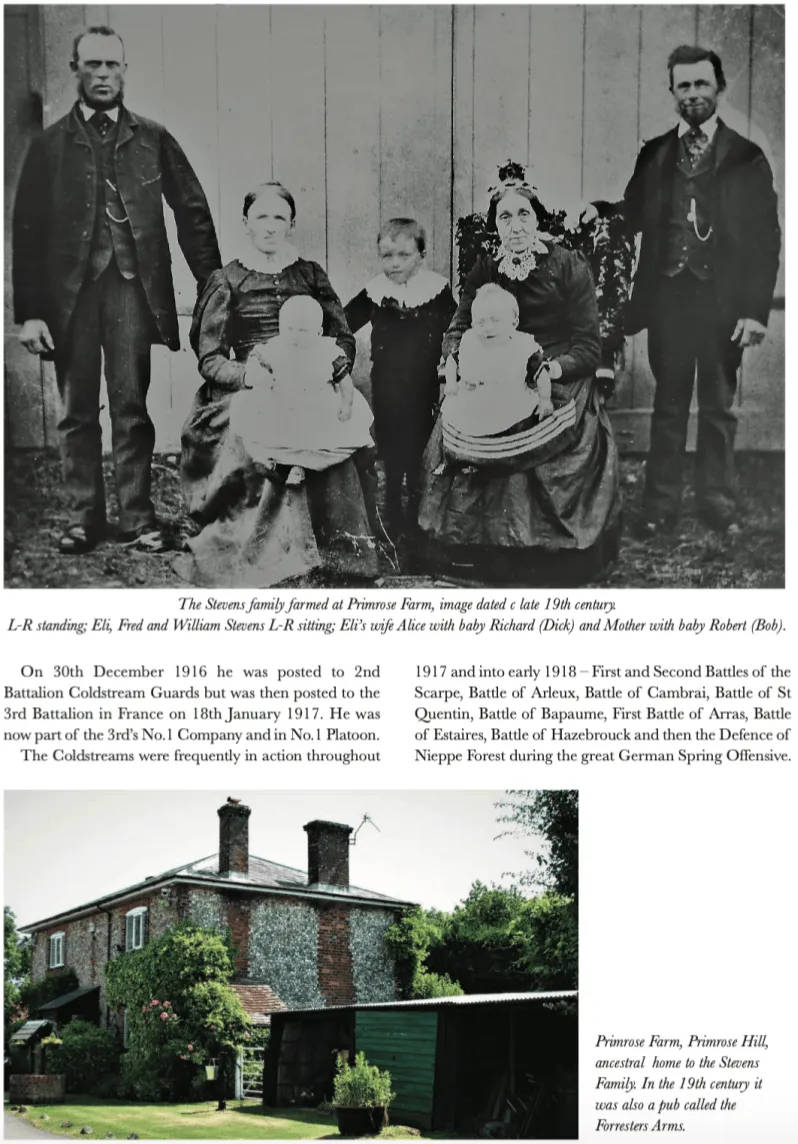
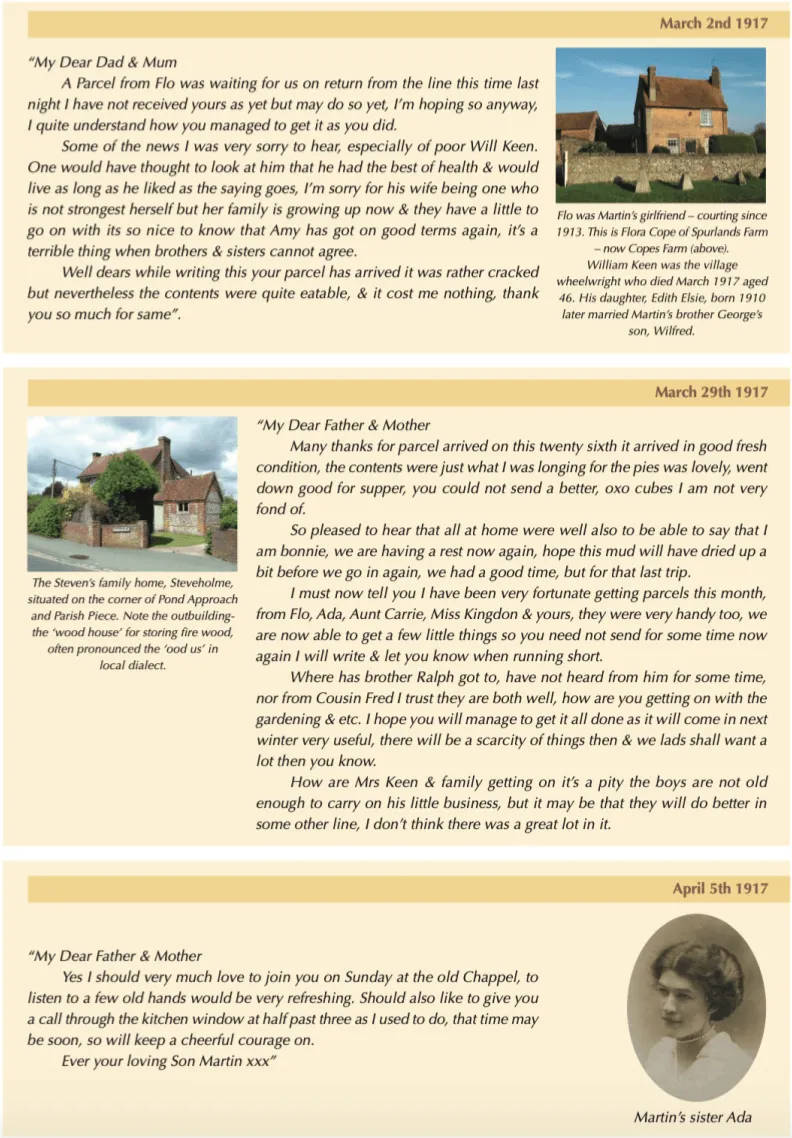
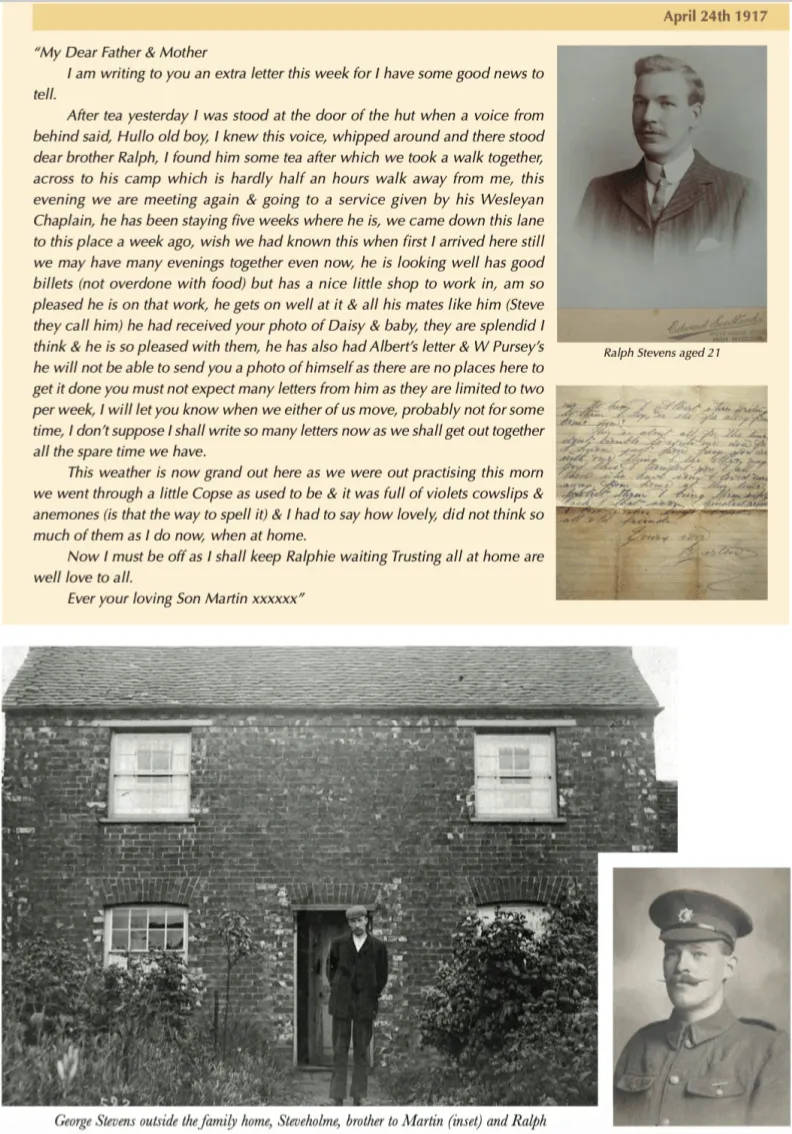
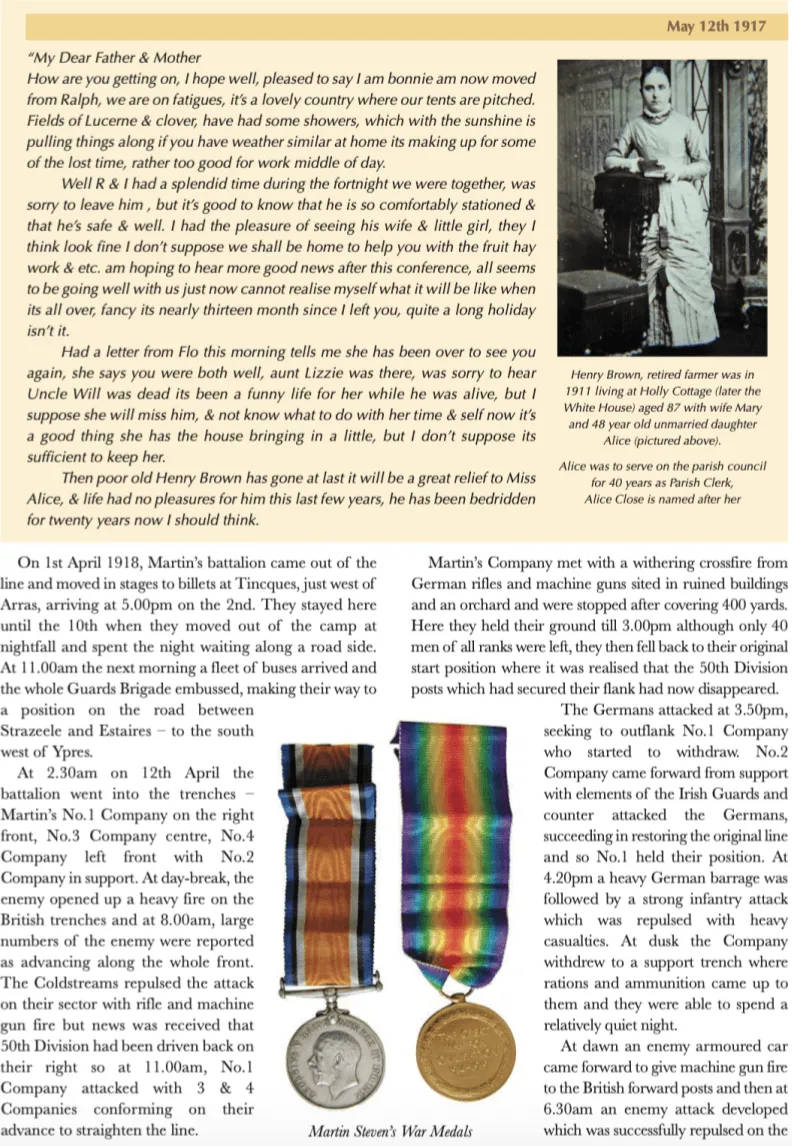
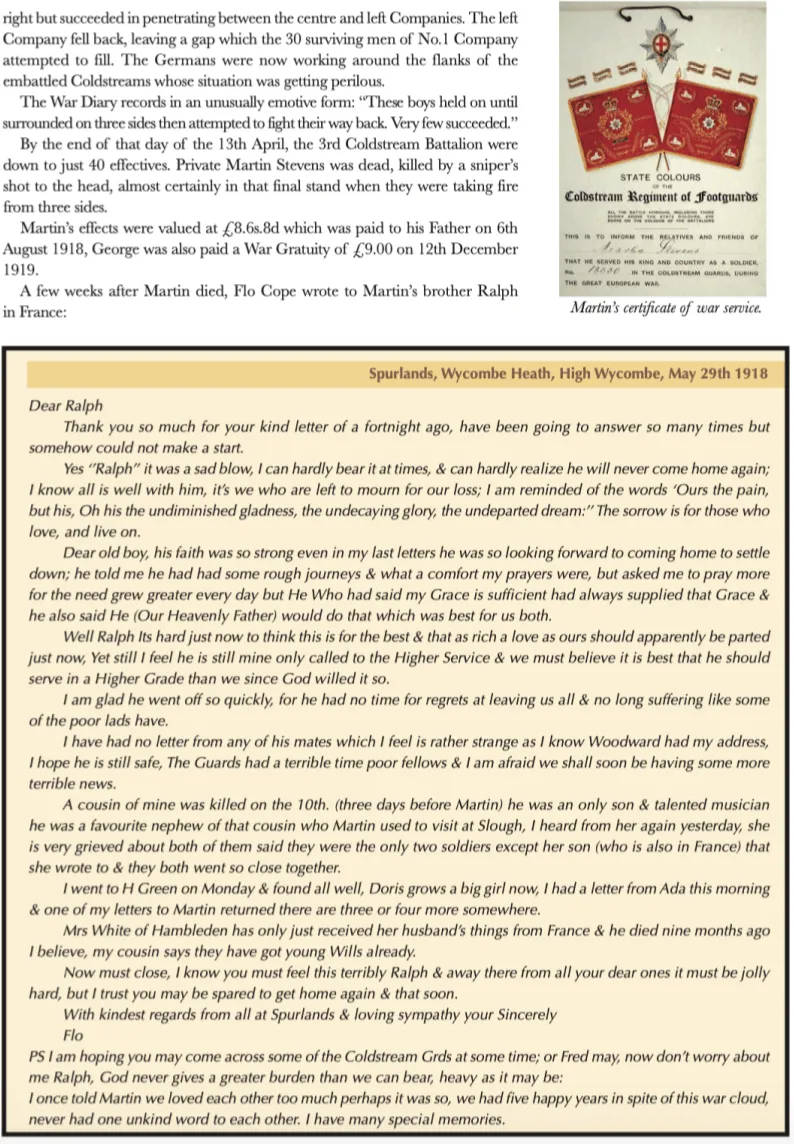
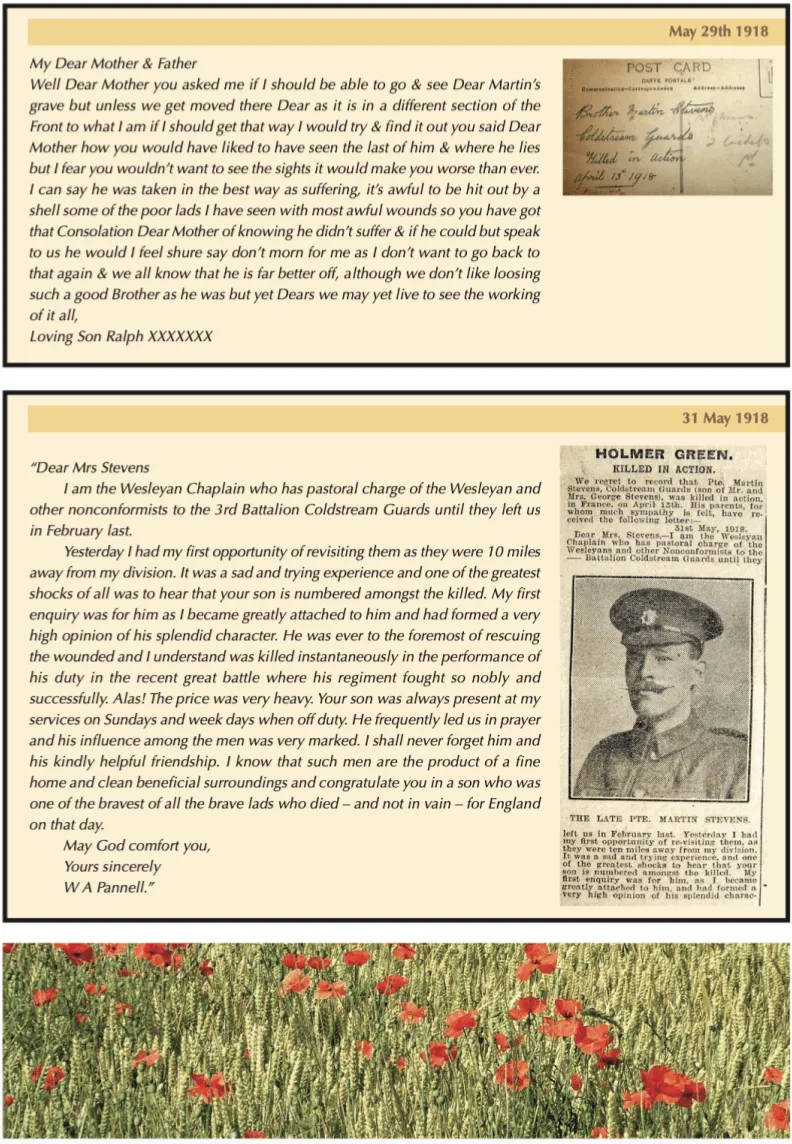
15. Steveholme
Steveholme, Martin Stevens’ family home.



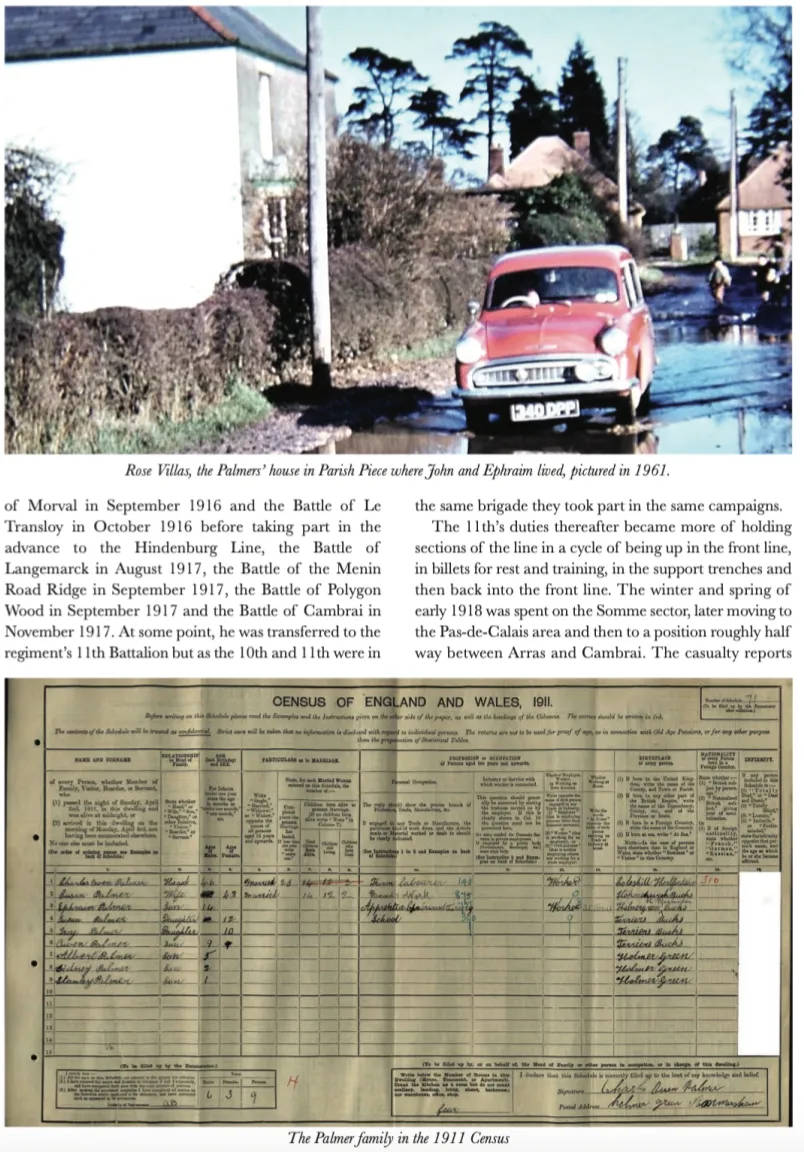
16. Rose Villas
John Palmer and Ephraim Palmer’s family home.



17. Langley Farm
Frederick Salter’s farm.

5. Langston's Cottage
Demolished in the 1960’s
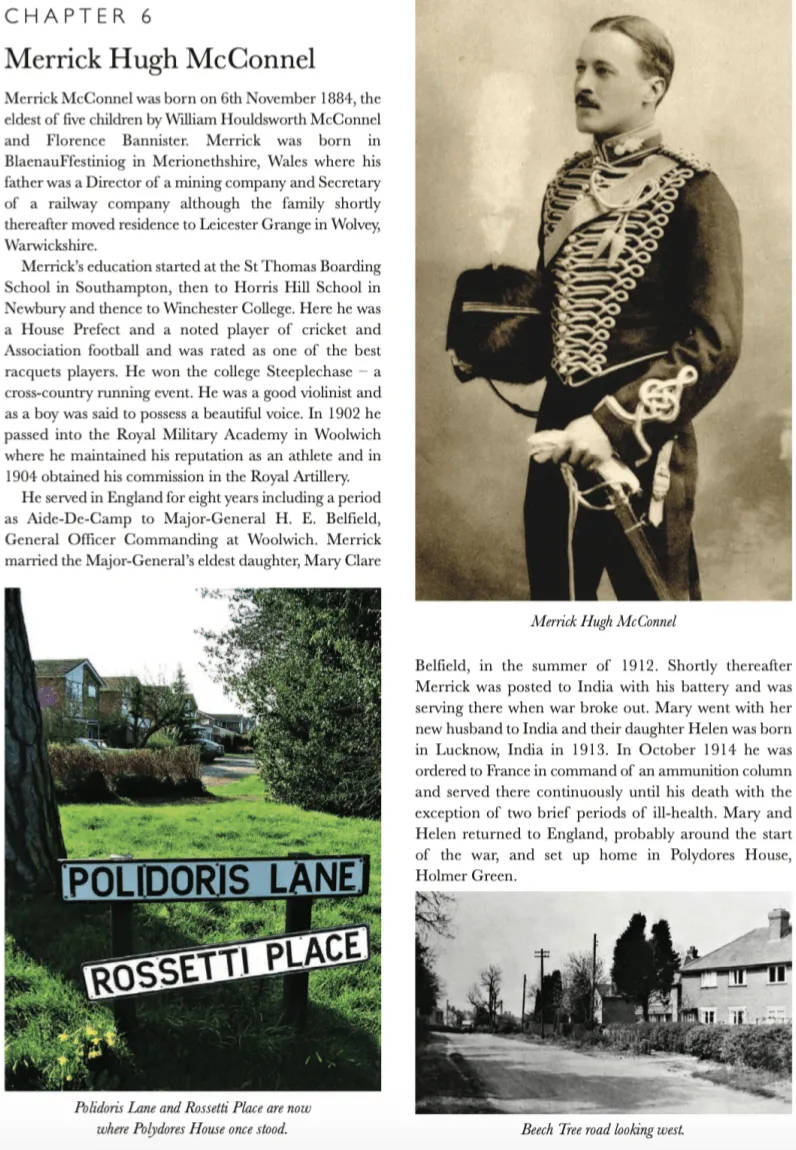
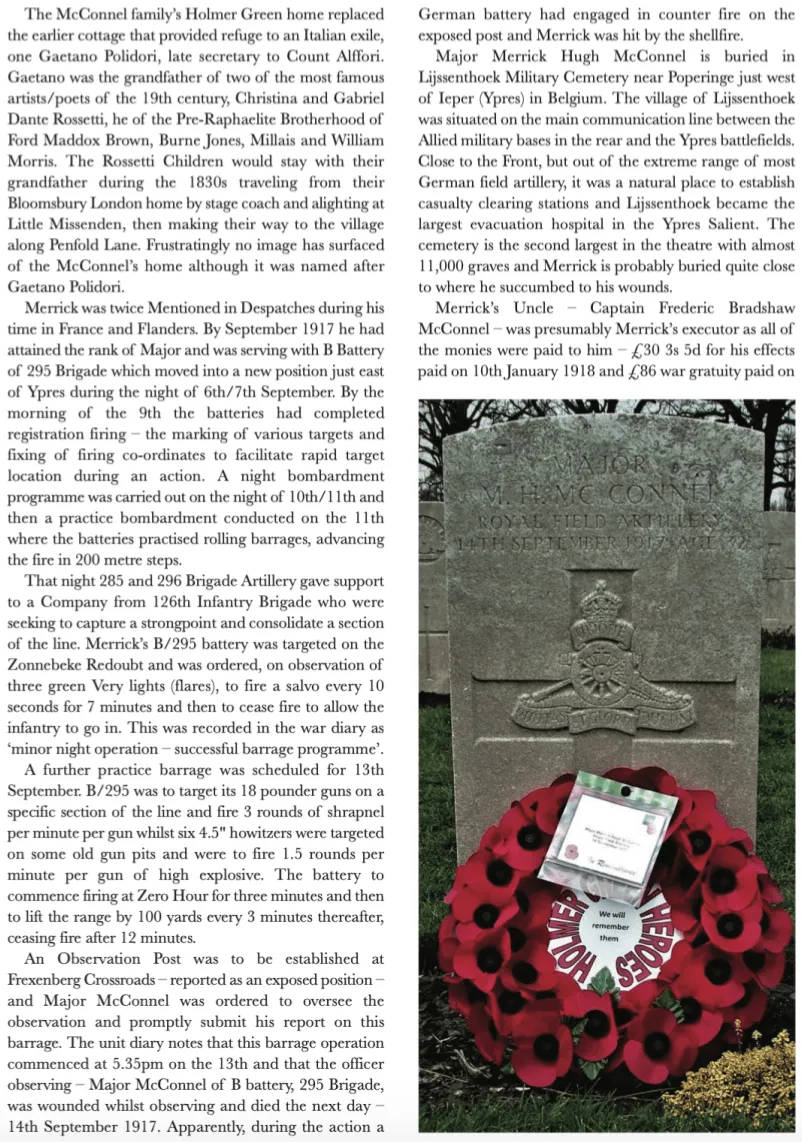
18. Polydores House
Merrick McConnel’s Home

19. The Old Stag and Hounds pub

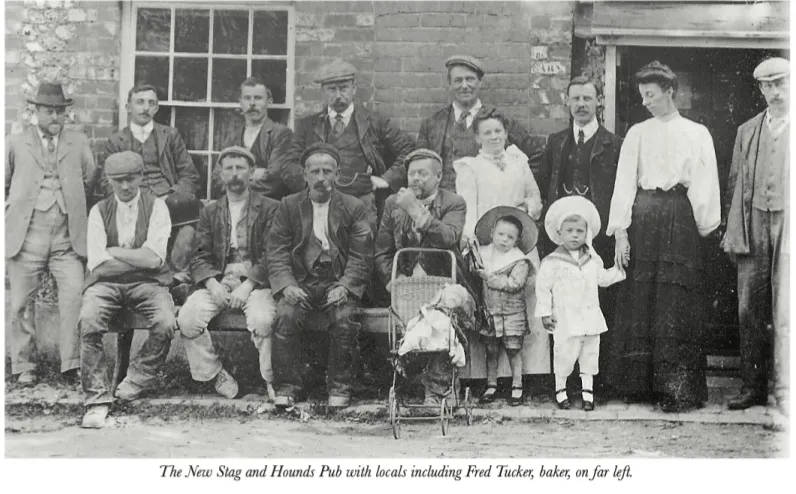
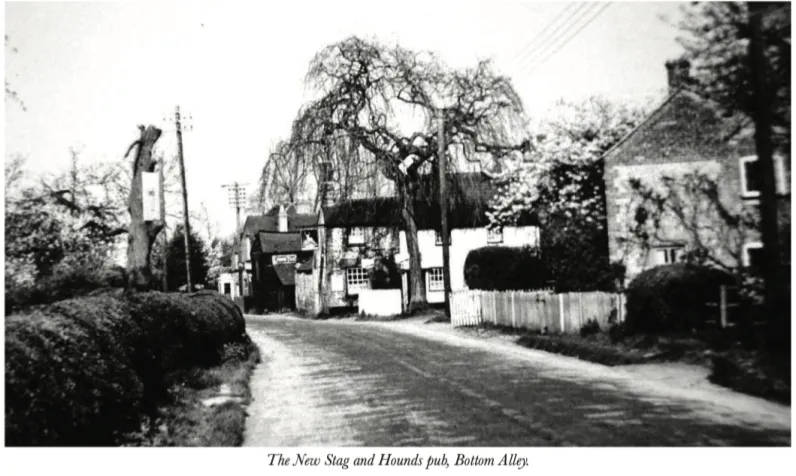
22. New Stag and Hounds pub
23. Westbourne Cottages
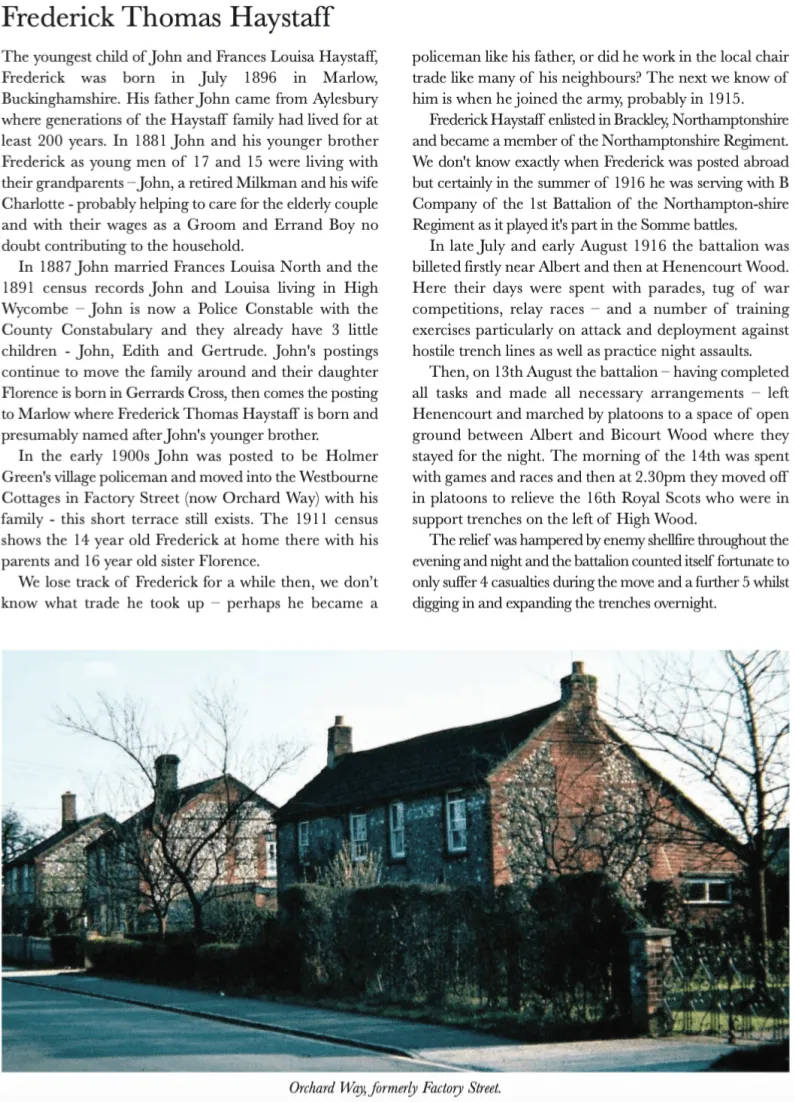
Frederick Haystaff’s family home


24. Holmer Pond
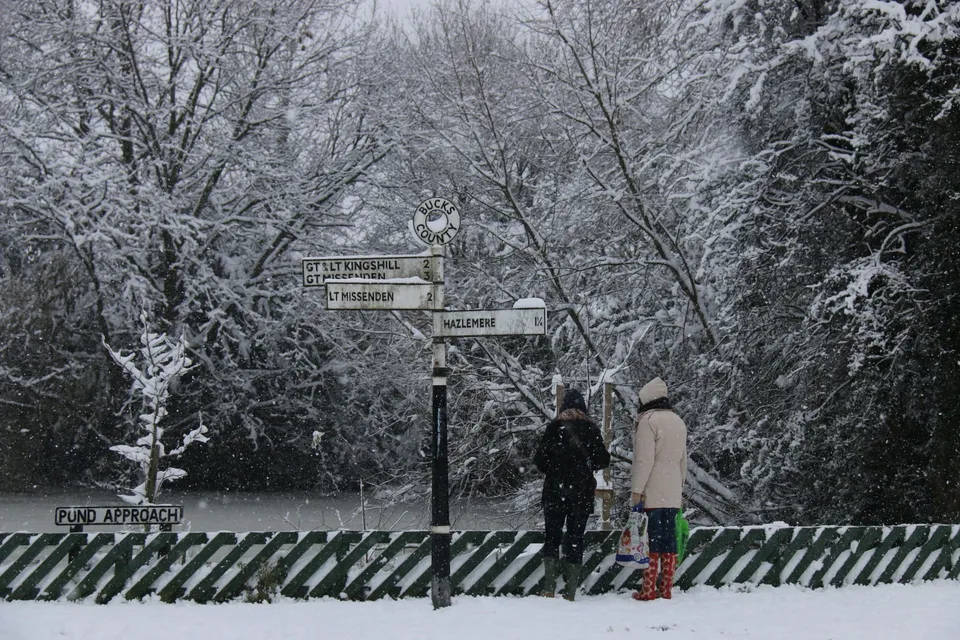
Holmer Pond,
‘Holmer’ was first recorded as ‘Holeme’ in 1208 and is probably Anglo Saxon in origin. Commonly thought to derive from ‘mere hollow’ which would refer to Holmer Pond, however the first official mention of the pond was in the 1578 Boundary Survey. Holmer Green is a mile from the river Misbourne and therefore this, and other local ponds, were a very important source of water for both farm animals and domestic use. Ducks were banned as they polluted the water.
Between 1960 and 1980 Holmer Pond underwent several renovations which changed the topography and the flora and fauna; reeds were removed, trees planted and wild fowl introduced. There are now many indigenous trees from Oak and Larch, adjacent to Pond Approach, to Hornbeam, Willow and Yew on the other side. In addition there are Horse Chestnut, Lawson’s Cypress, Norway Spruce, Ash, Beech and Sycamore trees. Ground cover is mainly Ivy and Brambles, but there are also Yellow Archangel and Bluebells.
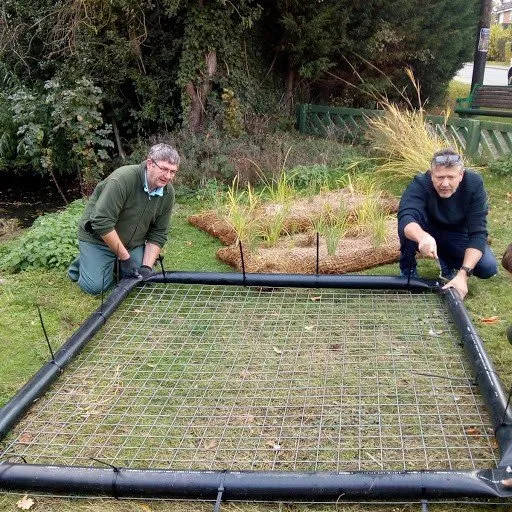
In 2018 new water plants were introduced on the Floating Island –
Carex Acutiformis Lesser pond sedge
Glyceri Maxima Reed sweetgrass
Iris Pseudacorus Yellow flag iris
Juncus Inflexus Hard rush
Lythrum Salicaria Purple loosstrife
Mentha Aquatica Water mint
Phalaris Arundinacea Reed canary grass
Caltha Palustris Marsh marigold
These are all native species.
Many thanks to Airedale for sponsorship for the planting program.
Moorhen, Mallard and a crossbreed of Mallard and Indian Runner Duck are frequently seen on the pond.
Here is Stuart King’ ode to Holmer Pond;
Holmer pond is full of mystery, and old bikes and bottles
Legend says a horse and cart, and small fish are in there too,
The horse and cart story is a myth, but the fishy one is true,
A meeting place in years gone by, of mothers with their prams,
And youngsters out of school would meet here, there were no traffic jams,
After dark young lovers, hand in hand, would watch the moons reflection dance upon the water,
And speculate that after marriage, would they be blessed with a son or an expensive daughter
I remember as a boy, as many village folks long gone,
Of meeting here on summer Sundays, after chapel and loud sung evensong,
What is a village pond without a duck or two, and shy moorhens?
and families with bags of corn to feed the birds, as we English tend to do.
We should be proud of Holmer Pond, and what our village society have done,
They have litter picked and waded; those rusty bikes have gone.
We now have an information board, with pictures and some history
To provide some clarity, to dispel the gossip and allay the mystery
So, treat our village pond with pride, not every village has one.
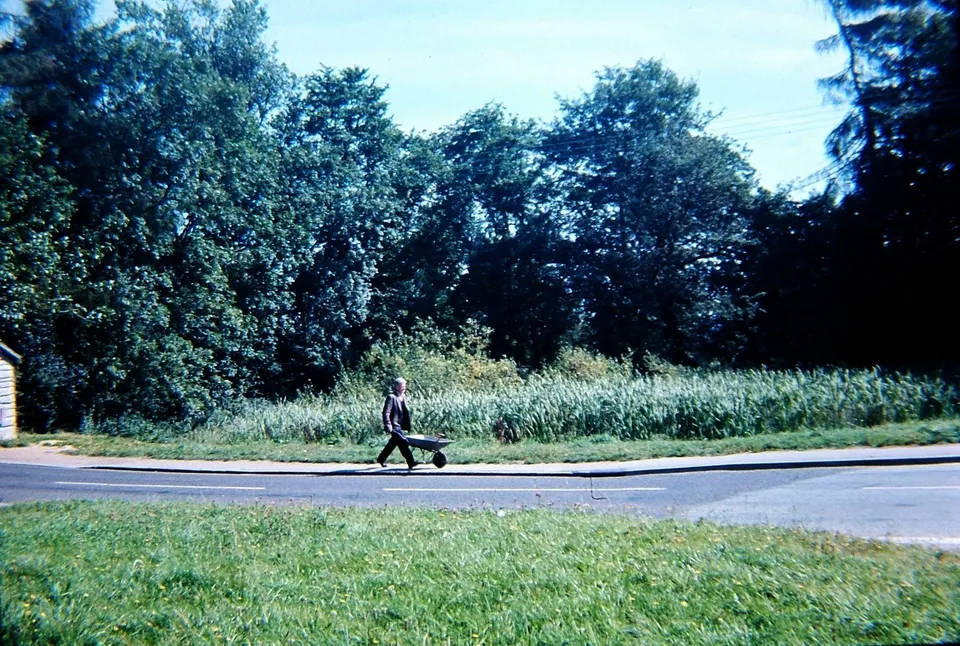
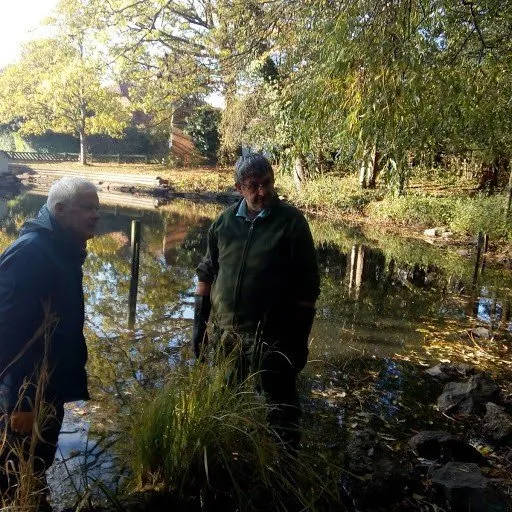
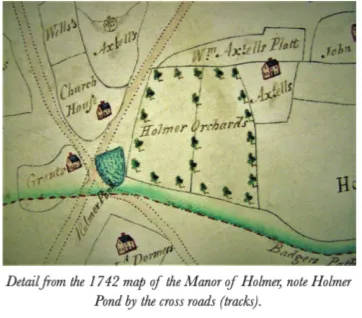
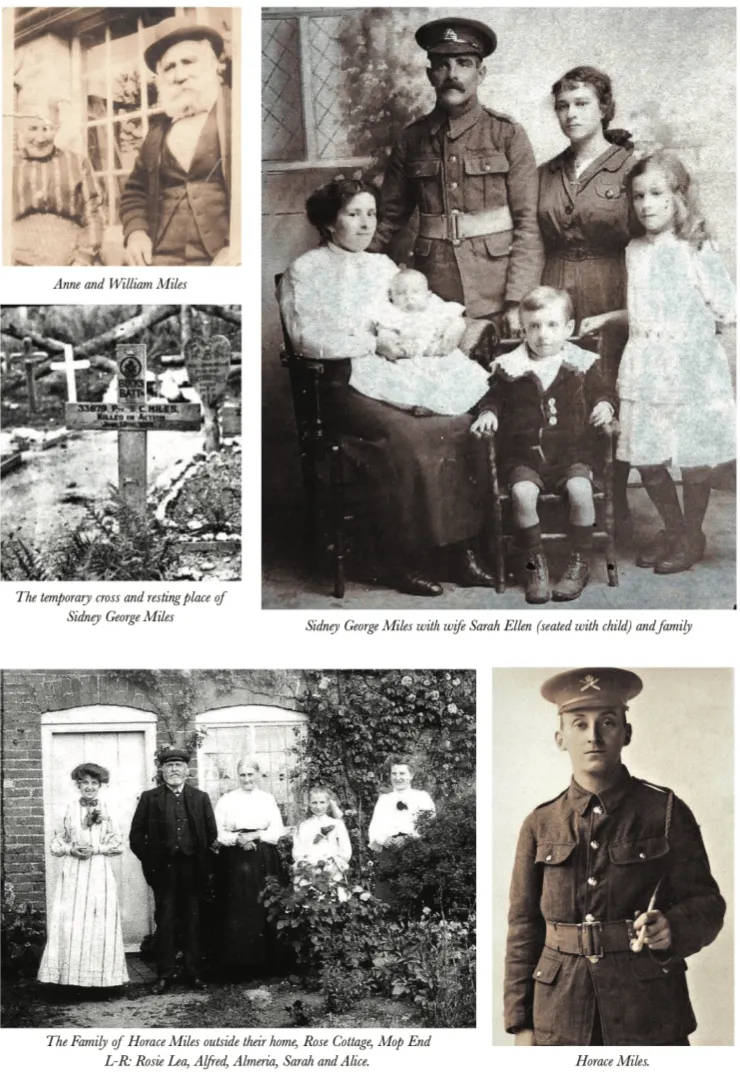
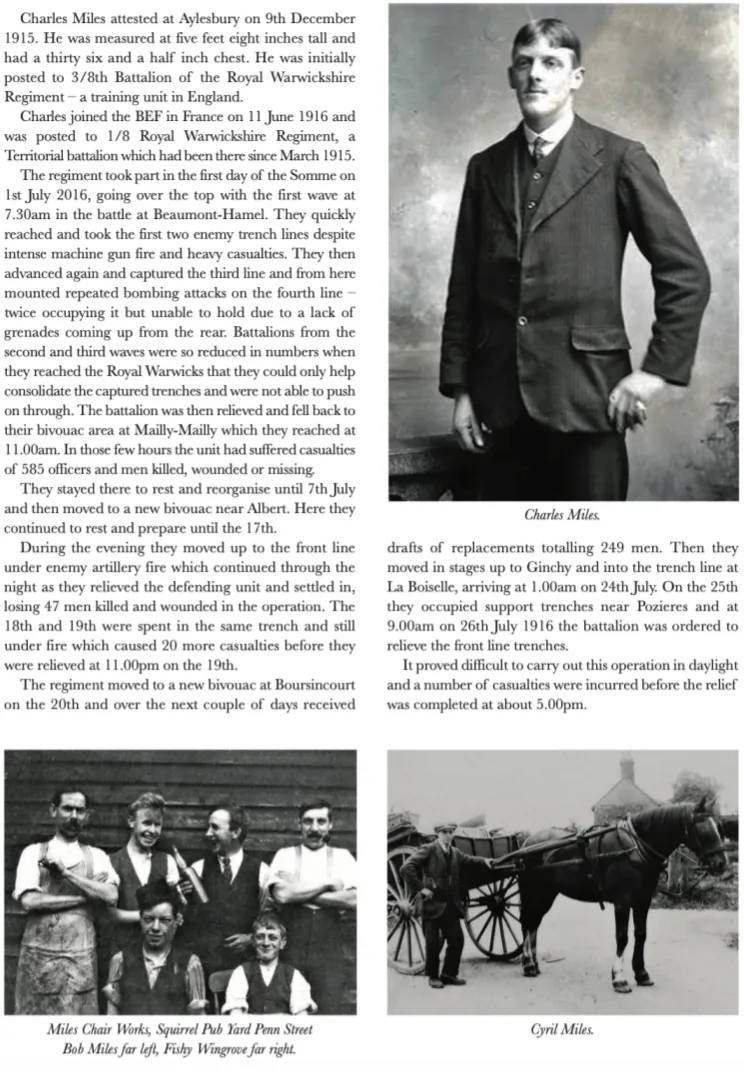
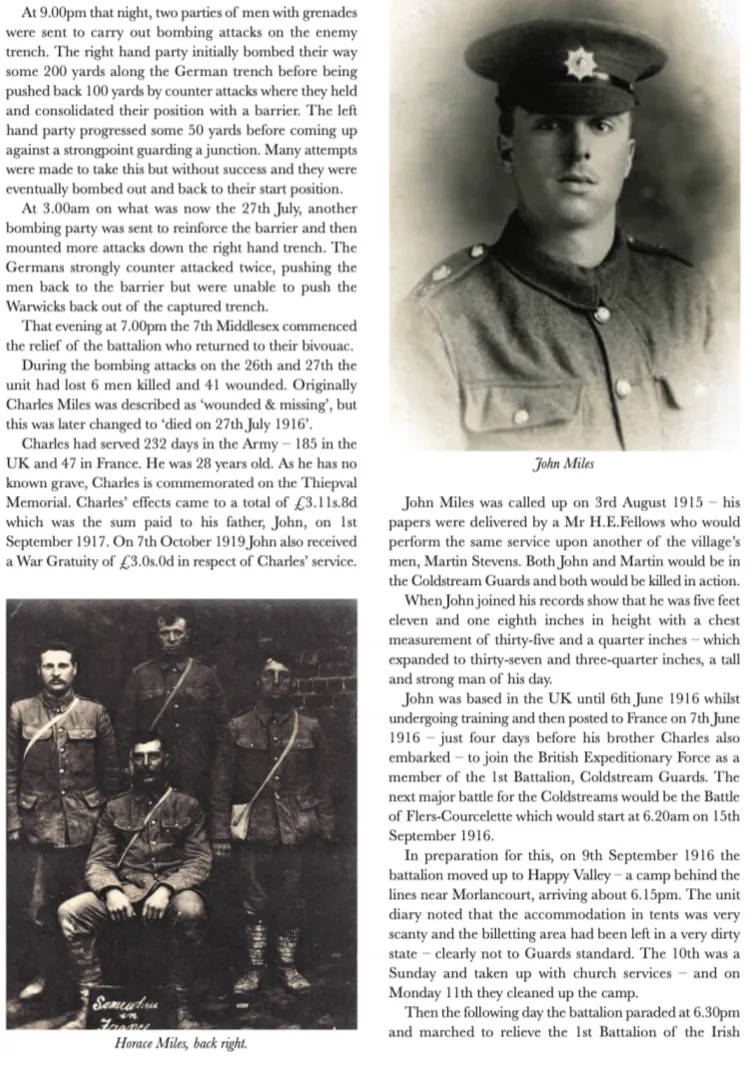
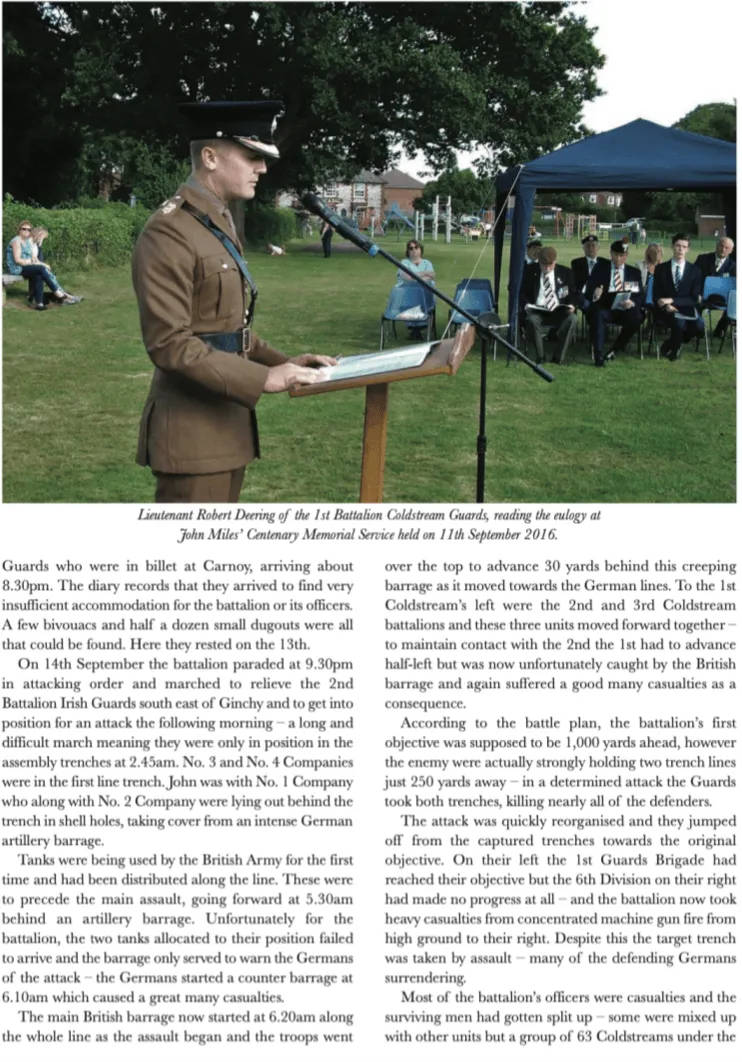
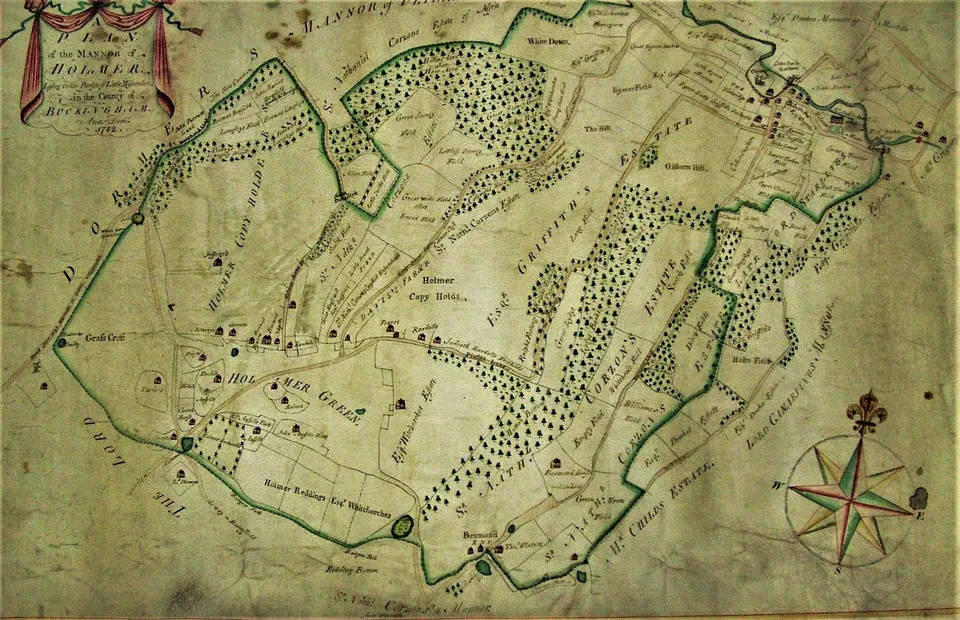
The pictures below are from 1905, 1920, 1966 and recently. the map is from 1742.






26. Hollyberry Grove
Charlie and Rupert King’s home.


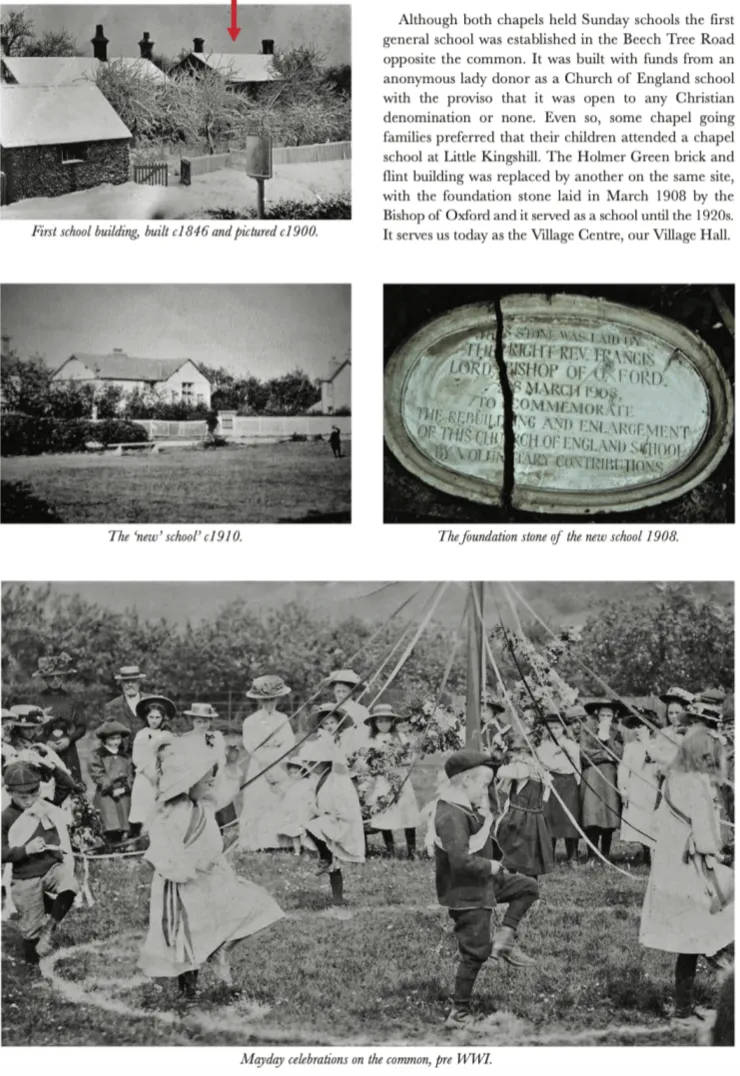
27. School
Now the village centre.
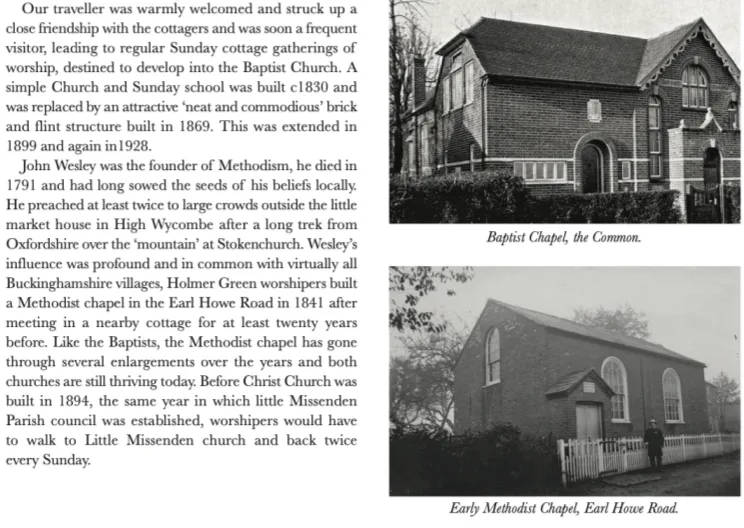
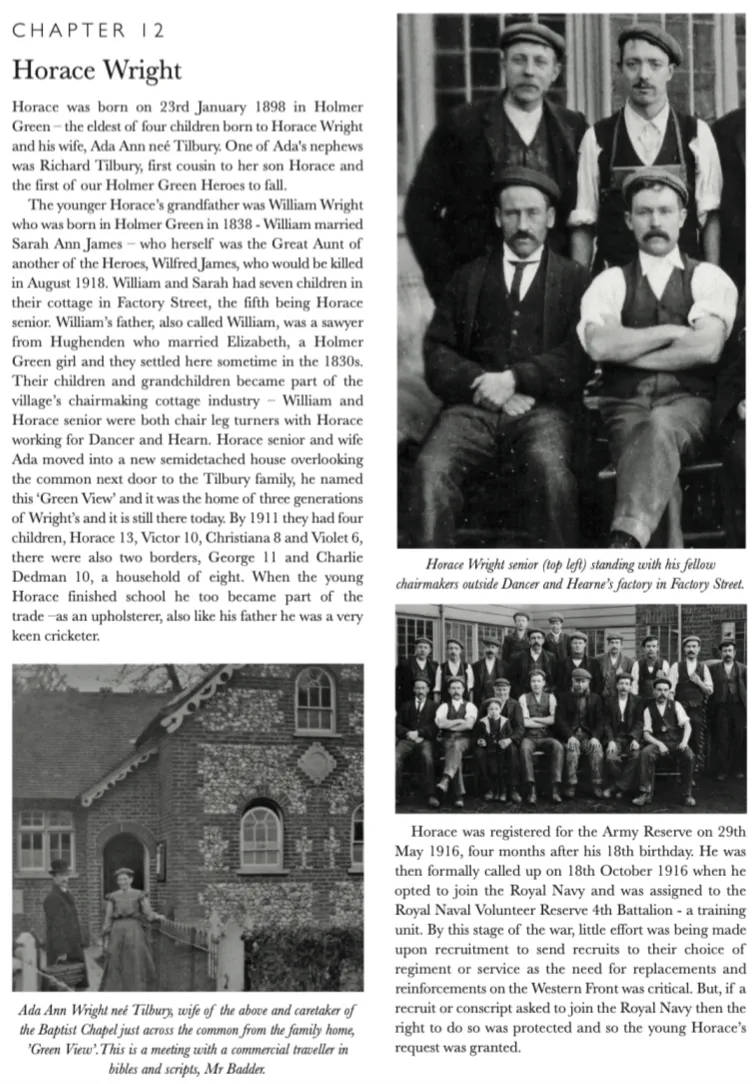
29. Baptist Church
Now a private residence.
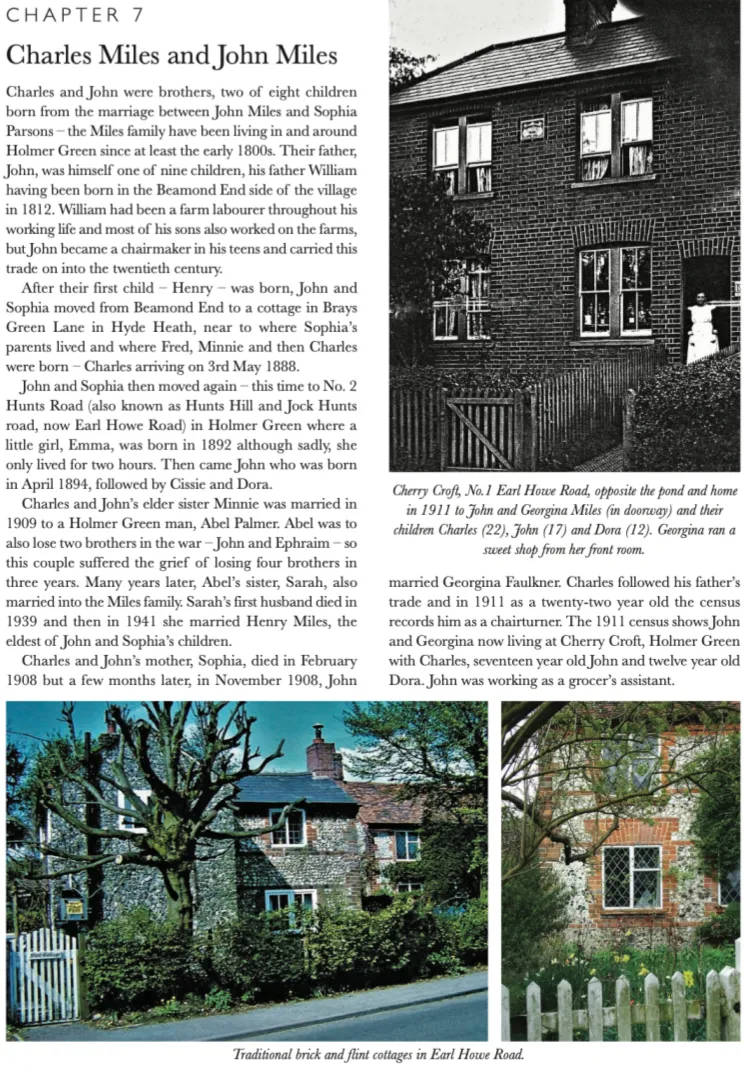
31. Cherry Croft
Now demolished, home to Charles and John Miles.

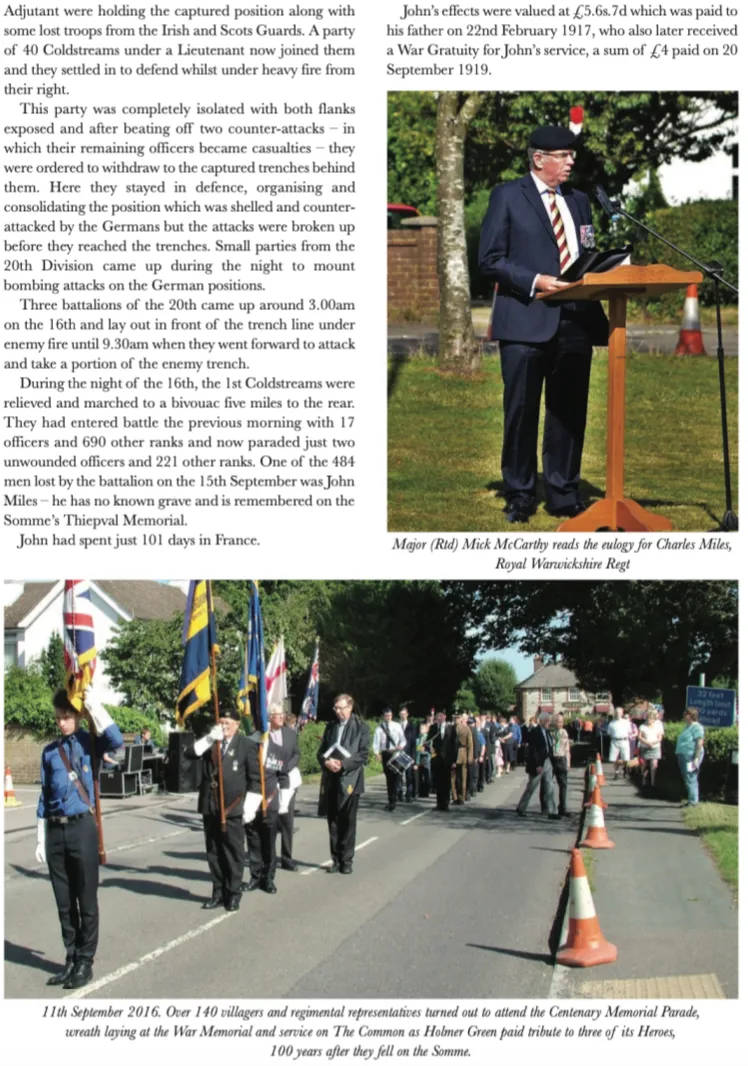
32. Salter's Folly
No. 1 Hunts Road, Ernest and Harold Salter’s family home.

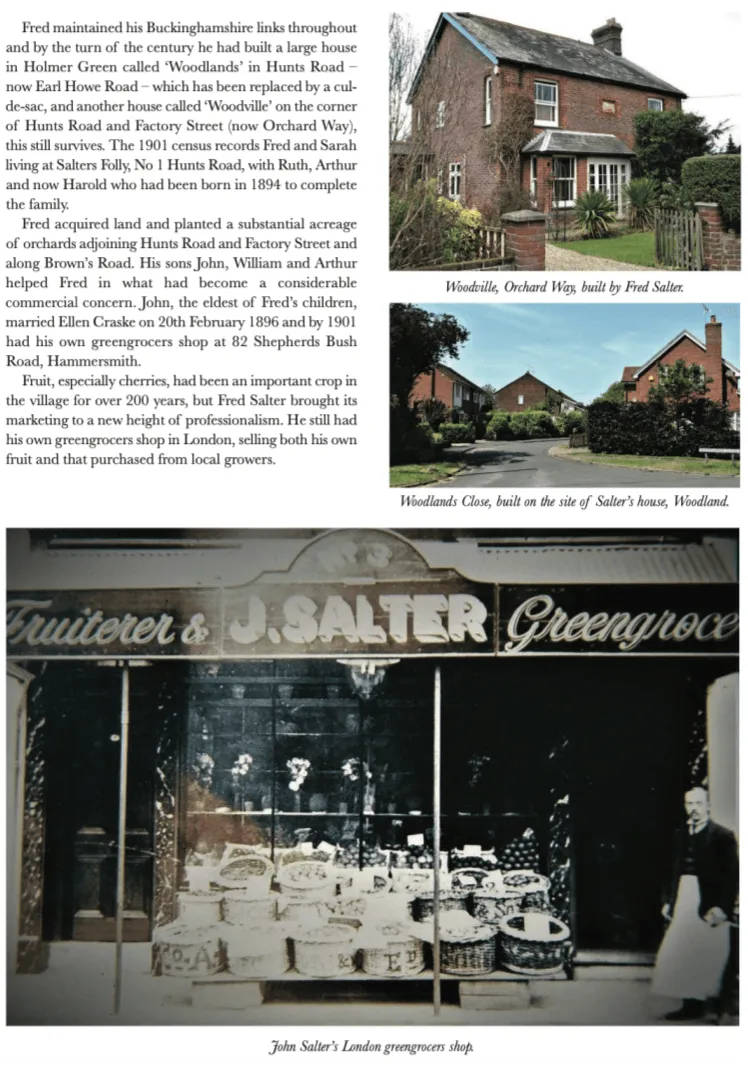
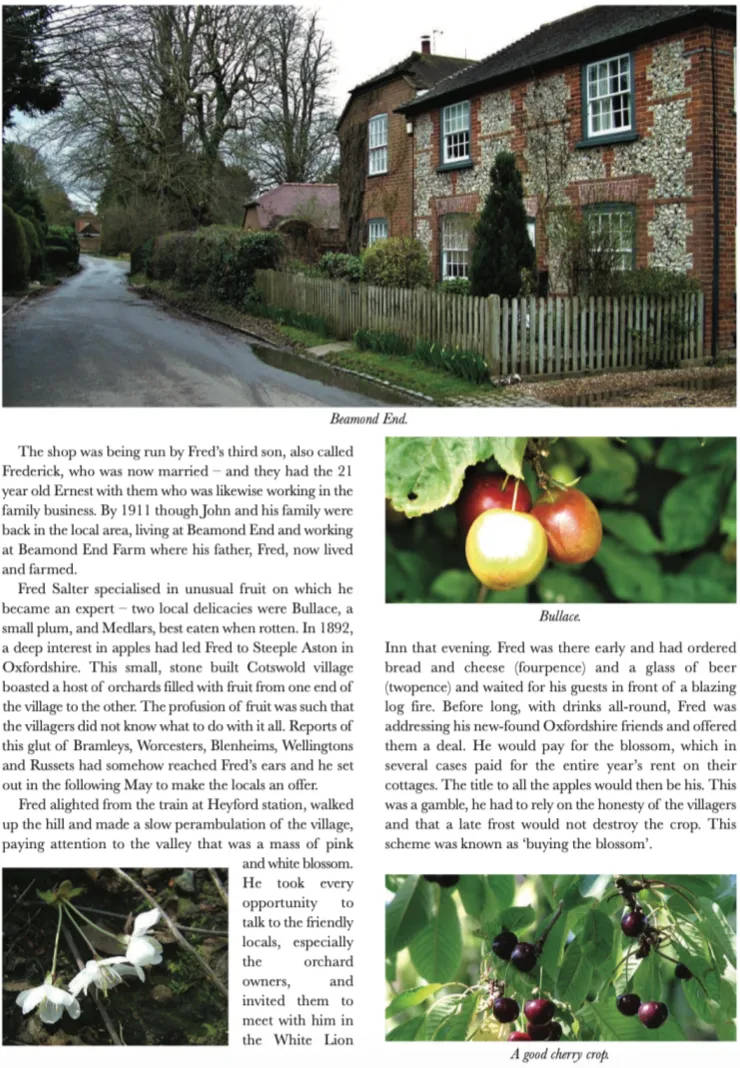


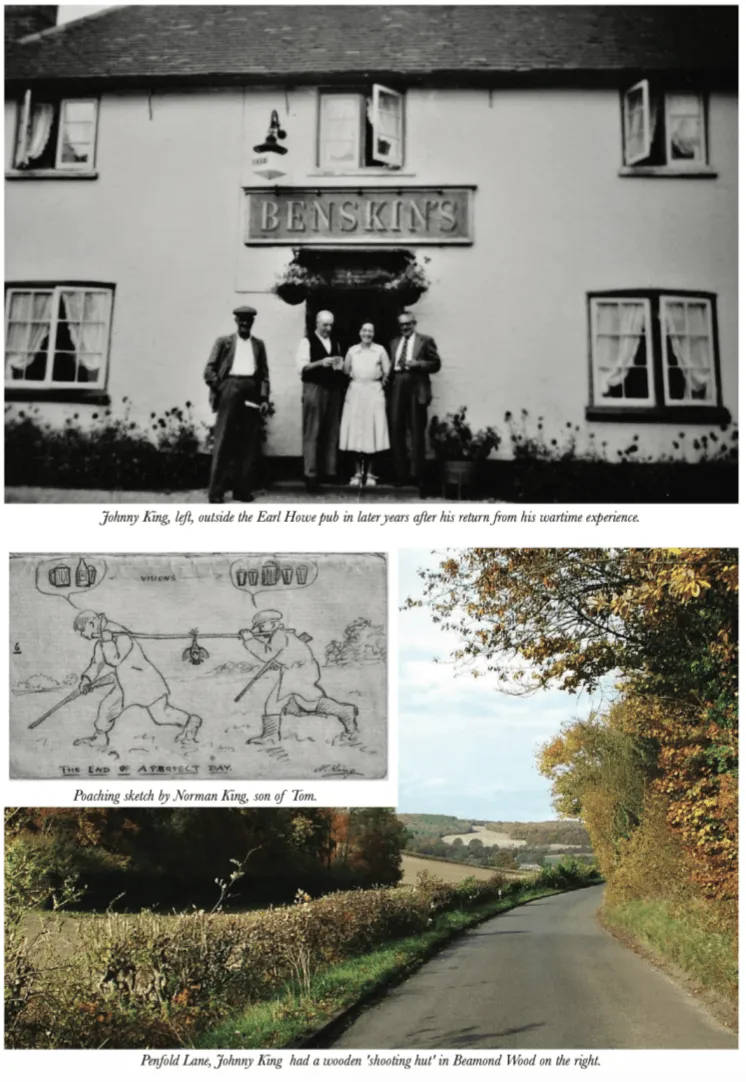
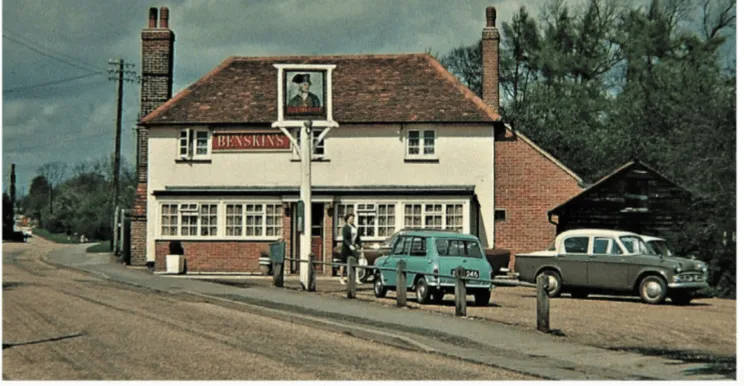
34. Earl Howe Pub
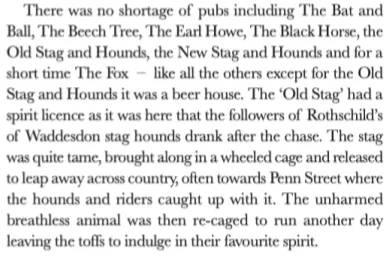
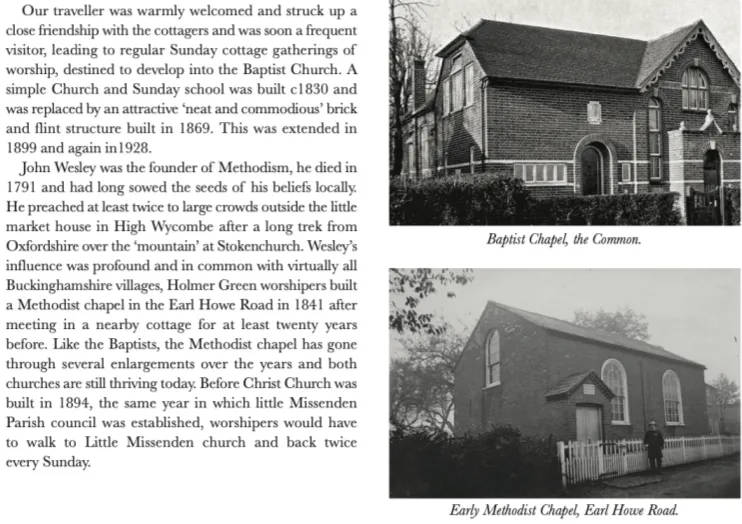
35. Methodist Chapel
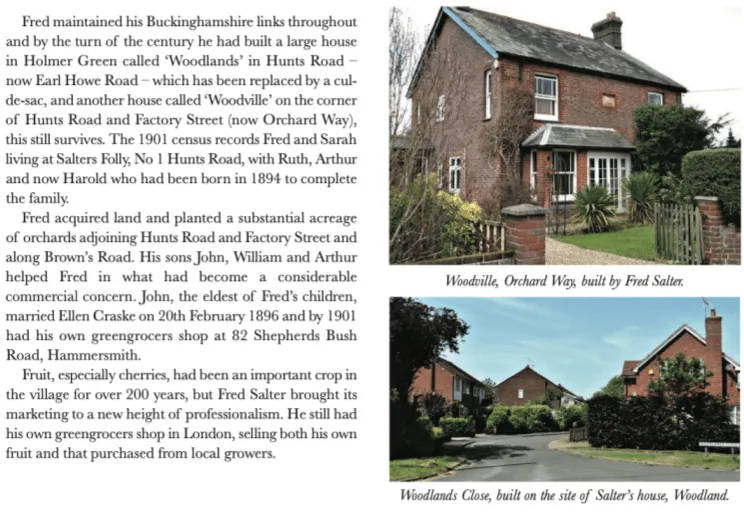
36.Woodlands
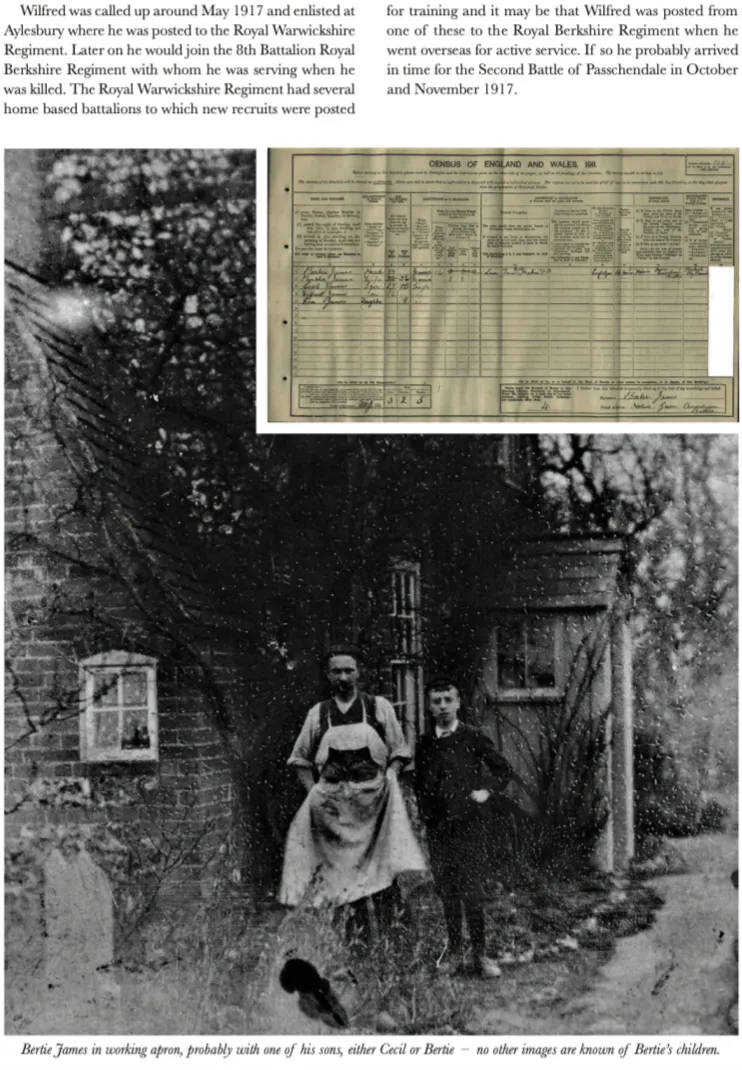
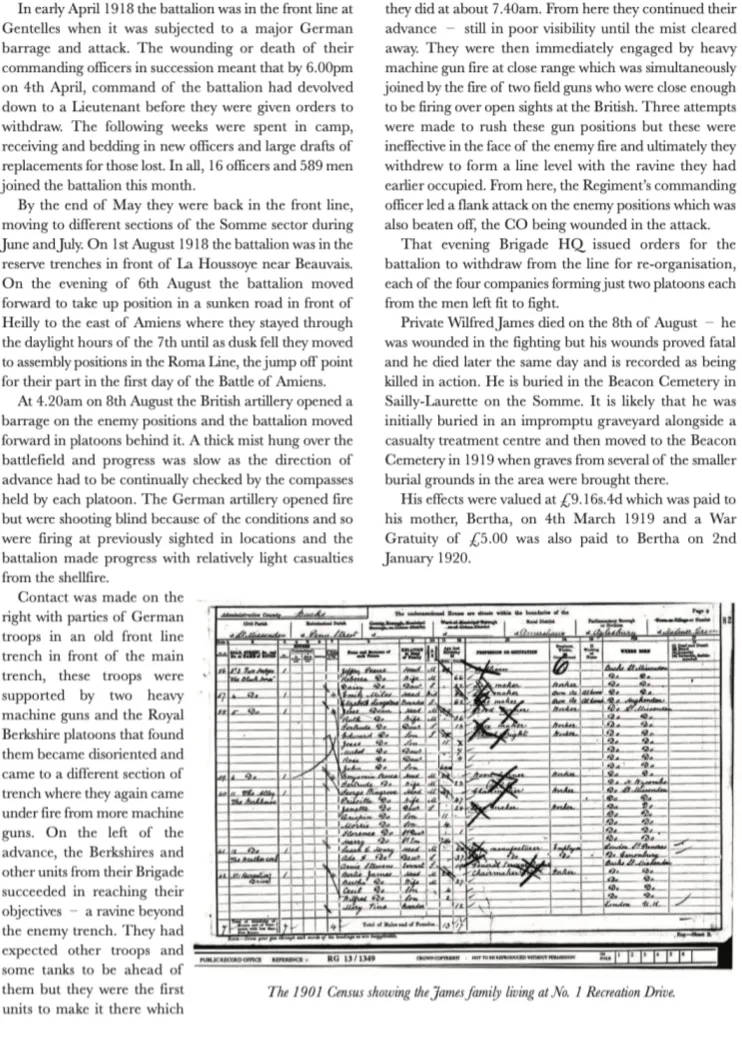
38. No.1 Recreation Drive
No. 1 Recreation Drive,
Now demolished, Wilfred James’ family home.

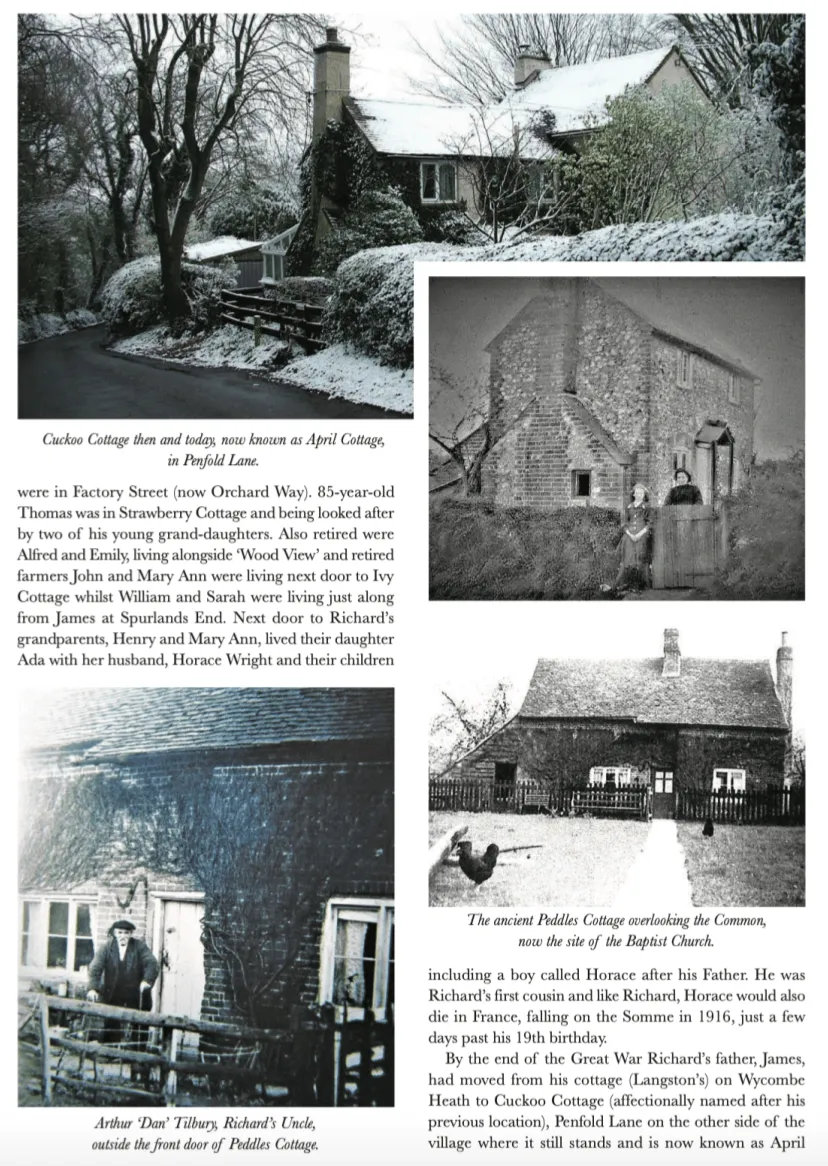
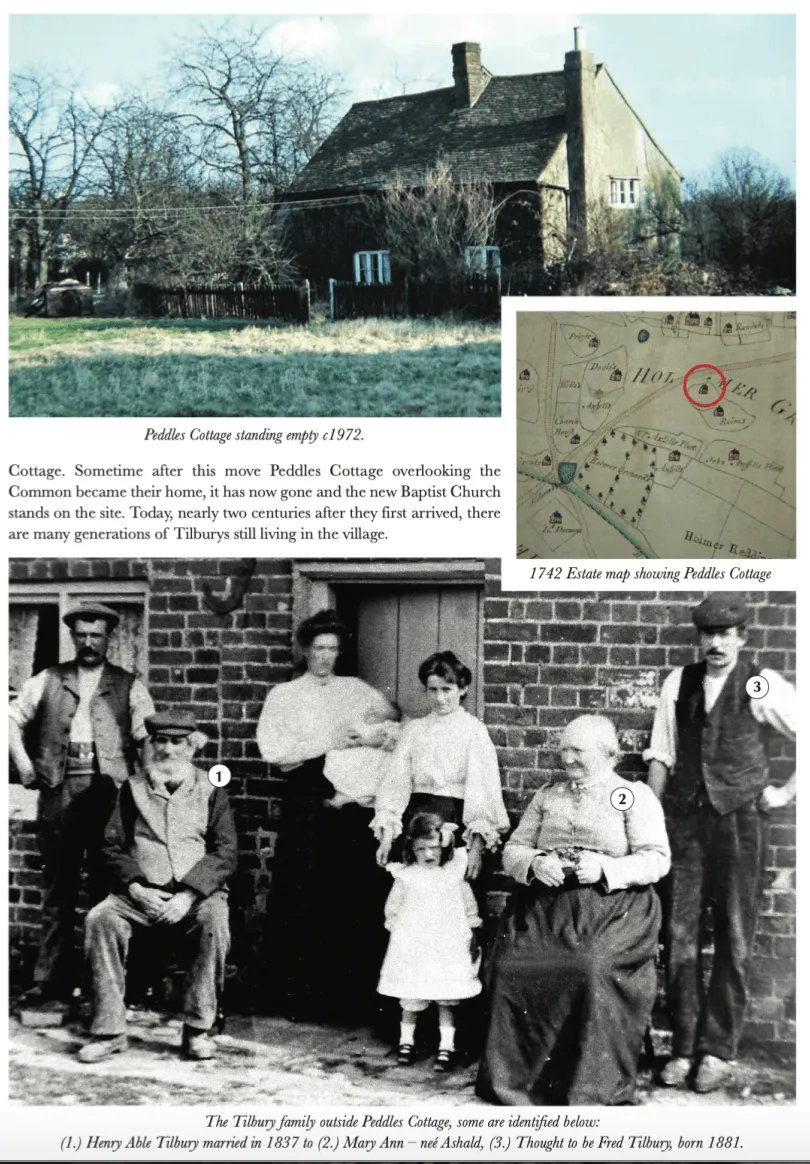
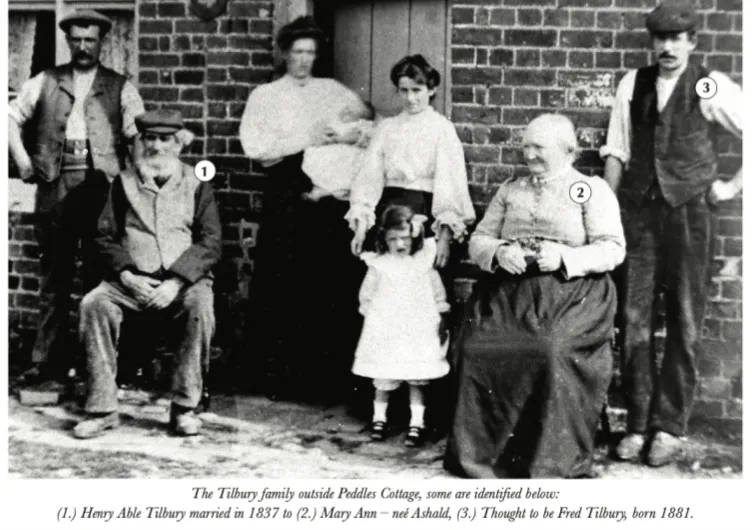
40. Peddles Cottage
Now Demolished


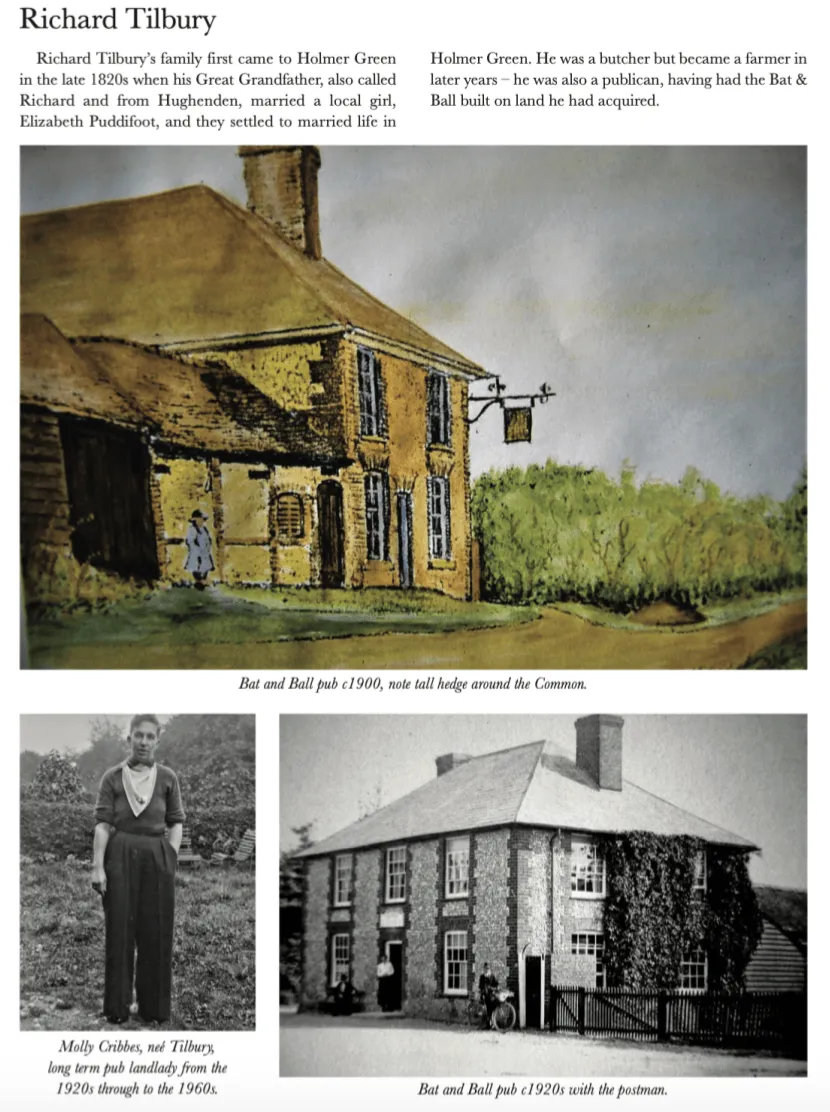
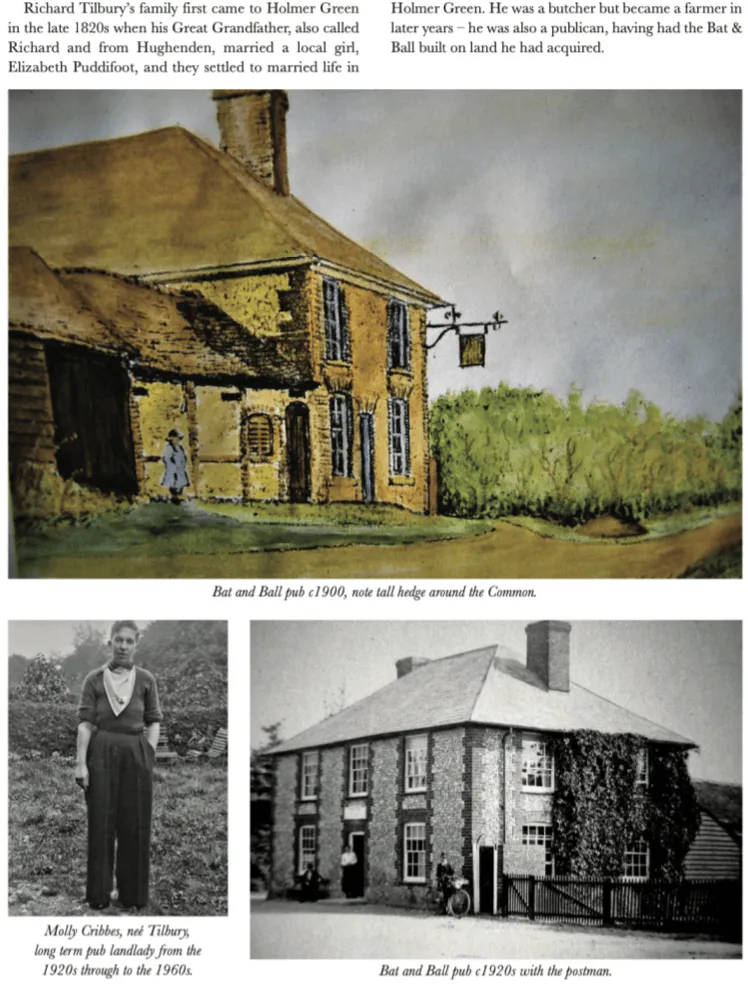
42. Bat & Ball Pub
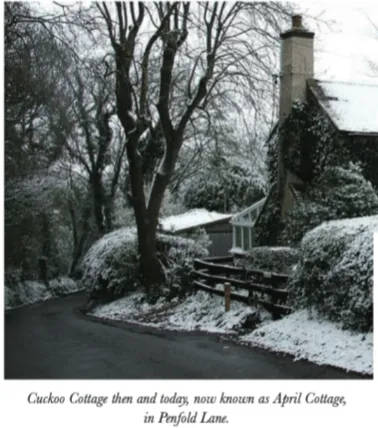
44. Cuckoo Cottage
Now April Cottage
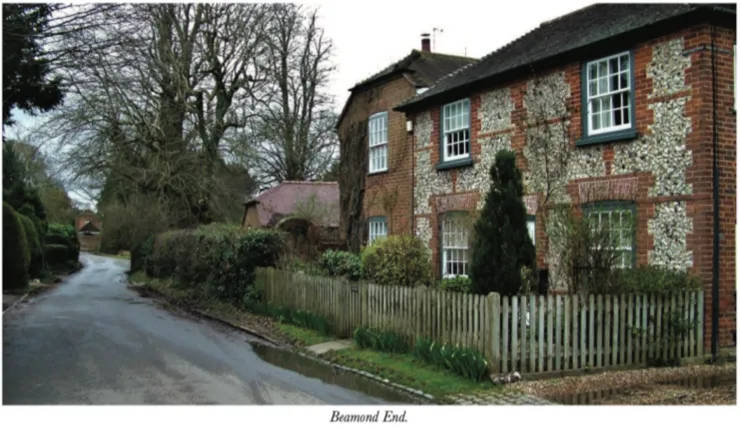
45. Beamond Farm
The Common
Holmer Green Common.

The site of the original medieval manor house of Holmer remains obscure, although local historians McLain-Smith and Riches have suggested its location at a moated site in nearby Colemans Wood where they have excavated medieval pottery.[citation needed]
The oldest houses are The Old Rookery, Hollands Farm and Penfold, all of which probably date from the early 16th century when the hamlet thrived due to sheep farming.
The village underwent housing development during the 1960s and early 1970s and now has about 4,000 inhabitants (almost double that of nearby Great Missenden).[3] The big developments of the 1960s and 1970s included an expanded range of shops around Turners Place, the Winter’s Way estate, the Fox Road and Harries Way estate and the Holmer Court estate (Clementi Avenue). A significant number of newcomers to the village came from Middlesex during that period.
The village has two centres: a commercial centre based around the shops and central crossroads; and a community-oriented centre based around The Common featuring two churches, the village hall, a school, a pub, a children’s playground, and The Common itself.
Holmer Green’s most desirable roads range from older roads like Watchet Lane and Penfold Lane through to newer developments like Mead Park. The village’s most famous residents are television presenter Fern Britton and her husband, celebrity chef Phil Vickery.
Residents jealously guard the village’s independence from the Wycombe-based urban sprawl next door. Maintenance of an independent community separate from the Wycombe conurbation has been helped not only by the village’s historic connections with the Missendens, Penn Street and Amersham but also by the presence in the village of a full range of amenities including: pre-schools; primary and secondary schools; three different Christian denomination churches (Church of England, Baptist, Methodist); a GP practice; a dental practice; three pubs (The Bat and Ball, The Earl Howe and The Old Oak); two clubs (The British Legion and the Holmer Green Sports Association); and significant sports facilities.
The Village has the benefit of a large enclosed Common which includes a further enclosed children’s play area. A visiting fair is held on The Common in May and September every year. Holmer Green Sports Association provides facilities for tennis, football, cricket, squash and short mat bowls and the High Wycombe Model Engineering Club.
After the First World War rapid expansion took place with many of the men working in the local furniture trade plus some casual cherry picking in the summer, many of the women were engaged in tambour beading to supplement the family’s income. In the early 1920s travel became easier with the introduction of the first motor busses to High Wycombe. After World War 2 Holmer Green again began to expand with many housing estates being built on farm land and derelict cherry orchards, much of this occurred from the mid 1960s, through the1970s and 80s.
It could be said that our hill top village has two main centres with the first being around the cross roads with our ancient pond and shops. The attractive and busy area of the Common provides the second focal point. Around its three sides one can find the Middle School and Baptist Chapel while the Bat and Ball stands proud on one corner overlooking the children’s playground. The Church community hall lies adjacent to Christ Church which modestly dominates the skyline with its high perched golden cockerel weathervane. The main village hall known as the Village Centre evolved from the Victorian school. Continuing around the Common is the original Baptist Chapel now converted to a dwelling. To complete this perambulation we pass the Clementi estate that in the 1970s replaced the country house known as Holmer Court and home to Sir Cecil and Lady Clementi.
We have a thriving village community with many social organisations, we have three churches, thee pubs, three community halls, a sport centre, a range of shops and two garages. With a population of just over 4,000 our Chiltern hill-top village of Holmer Green still retains a very strong village identity and community spirit.
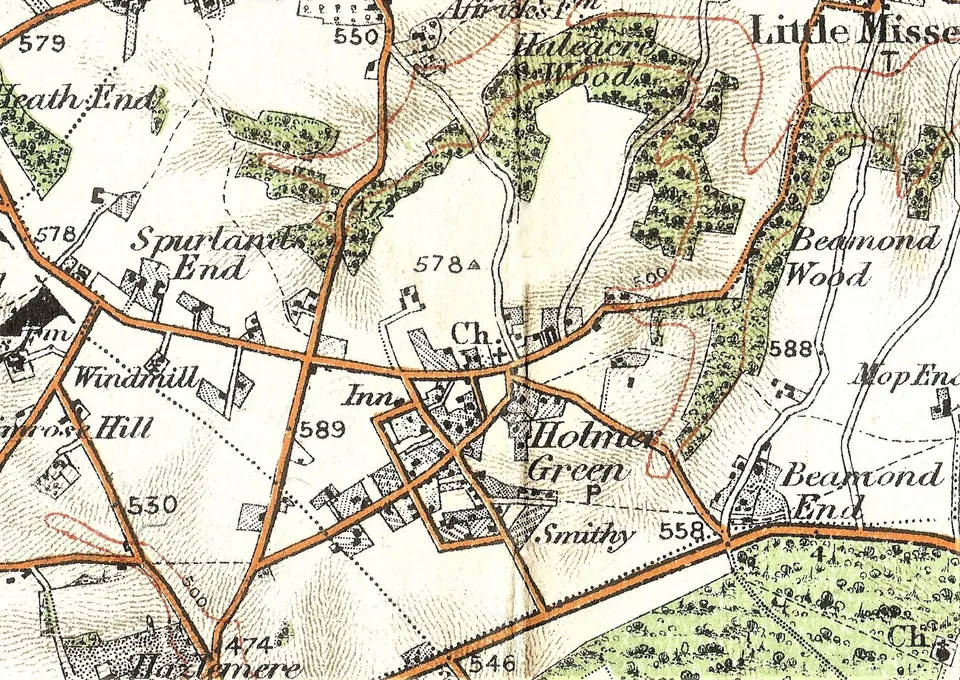
The first real glimpse of our village as a whole is through the 1742 map of the Manor of Holmer where we see a very open landscape with ancient woodland on the outskirts. We also see an established but scattered settled population. Most of these inhabitants would be involved in farming and general rural pursuits. We see the first evidence of fruit growing and in some of the place names much evidence of sheep rearing and droving. We can also identify some of the buildings that survive to this day. This 1742 layout of the village remained almost unaltered until Holmer Green was enclosed by act of parliament in 1854 when the road lay-out we know today was introduced. Although scattered, the inhabitants formed a cohesive community as evidenced by the early establishment of a Baptist and Methodist Chapel plus a school.
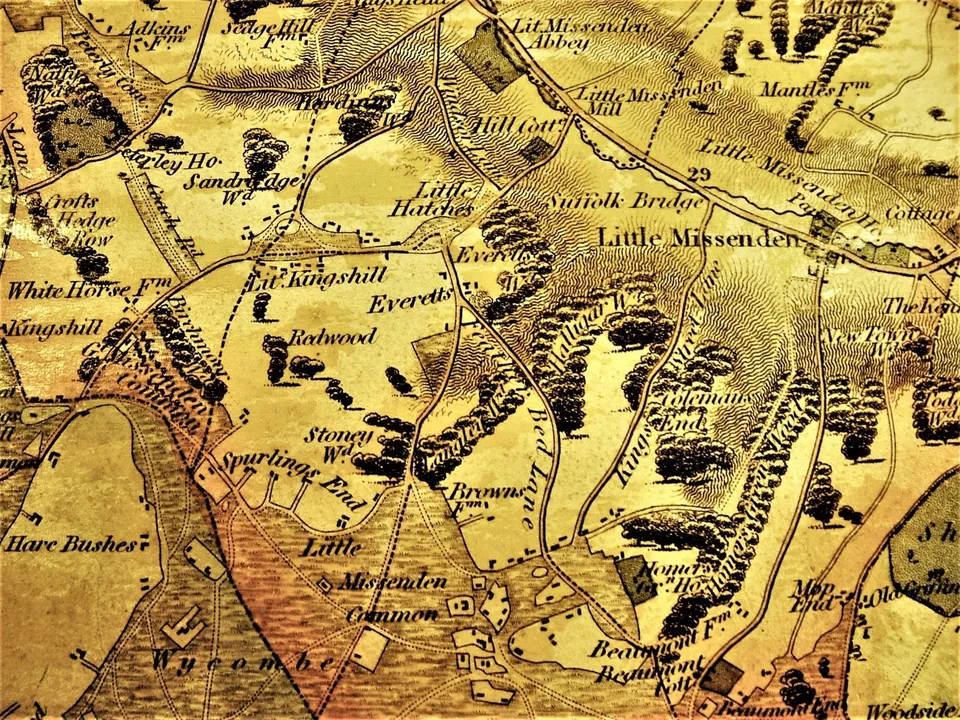
Maps of Holmer Green
Below are Maps of Holmer Green from 1742, 1822, 1824 and 1902.

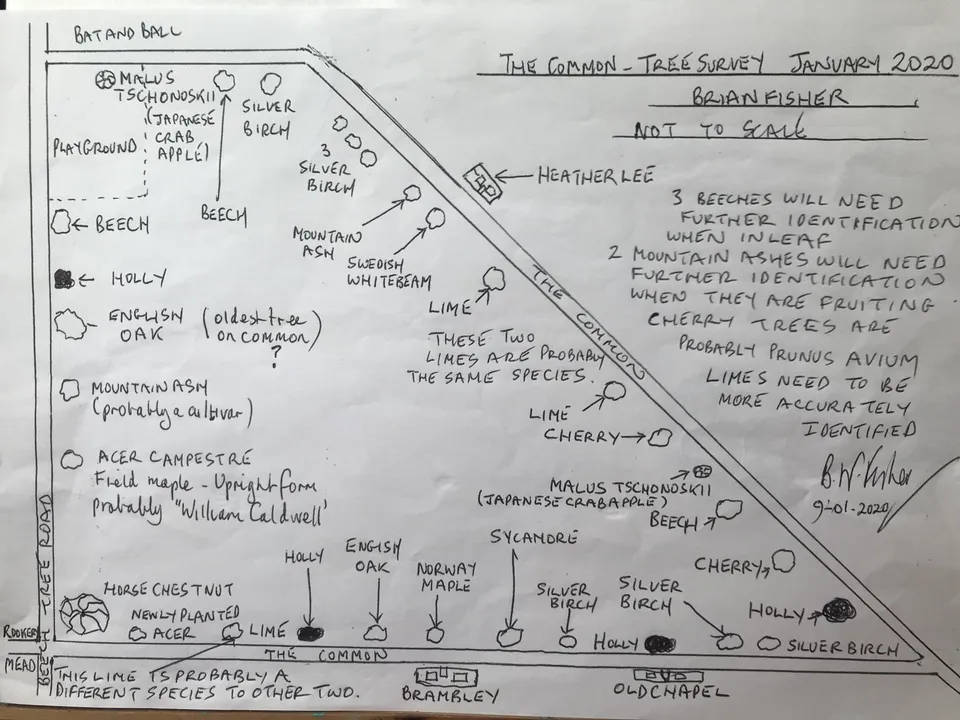
Fauna around the Common:
Below is a drawing showing all the species around the Common drawn by Brian Fisher. We will do more on this over the year.
Next: Interpretation Panels